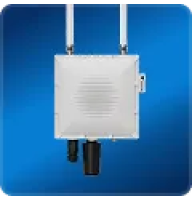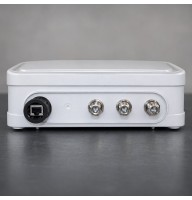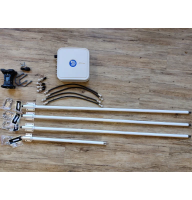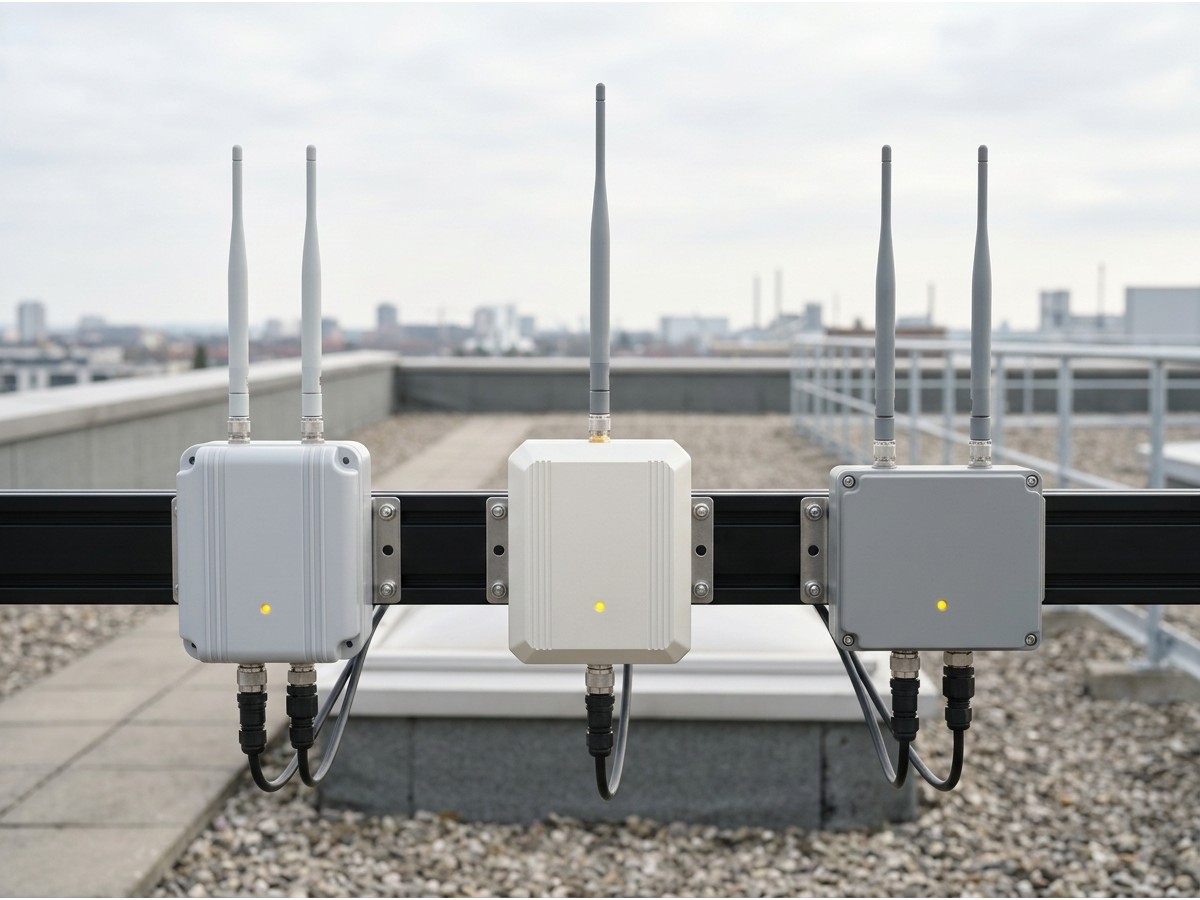
All three offer IP67 weatherproofing, PoE power, and direct online ordering. BlueMark ds230 and long-range ds240 (up to 15 km) shine for zero mandatory monthly fees and local MQTT/MAVLink/Dashboard ownership, while Dronetag Scout adds built-in LTE, enclosure heating, and up to 25 km directional range.
Key Differences & Engineering Breakdown
When evaluating subscription-free tri-band BlueMark DroneScout ds230/ds240 and LTE-backed Dronetag Scout, real-world performance depends on sensing physics, power architecture, environmental sealing, and C2 integration. All three offer IP67 weatherproofing, PoE power, and direct online ordering. BlueMark ds230 and long-range ds240 (up to 15 km) shine for zero mandatory monthly fees and local MQTT/MAVLink/Dashboard ownership, while Dronetag Scout adds built-in LTE, enclosure heating, and up to 25 km directional range. The table below compares verified manufacturer specifications from the Drone Detectors catalog.
Side-by-Side Technical Comparison
| Model | Declared Range | Frequency / Sensing | Power & IP | C2 / Integration | Pricing |
|---|---|---|---|---|---|
| BlueMark Innovations DroneScout ds230 | 5 km radius / 80 km² (manufacturer estimate) | Tri-band Remote ID reception: 2.4 GHz, 5.2 GHz & 5.8 GHz | PoE IEEE 802.3af / 802.3at; typical power draw < 5 W; IP67 (outdoor weatherproof enclosure) | Local web UI, MQTT/JSON, MAVLink, DroneScout Dashboard & third-party C2 | Buy Online |
| BlueMark Innovations DroneScout ds240 | 15 km radius / 700 km² (manufacturer estimate) | Tri-band Remote ID reception: 2.4 GHz, 5.2 GHz & 5.8 GHz (long-range up to 15 km radius) | PoE IEEE 802.3af / 802.3at; typical consumption < 5 W; IP67 (outdoor weatherproof enclosure) | MQTT/JSON, MAVLink, DroneScout Dashboard, local web UI & third-party C2 | Buy Online |
| Dronetag Scout | Up to 10 km omni; up to 25 km directional (manufacturer data) | Dual-band 2.4 GHz & 5 GHz Remote ID reception + built-in LTE cellular | PoE IEEE 802.3af / 802.3at (no battery, 24/7 stationary); 6 W typical, 10 W max.; IP67 / NEMA-6 (waterproof & dust-tight with integrated enclosure heater) | Dronetag Platform (cloud/API) & third-party C2 / UTM integrations | Buy Online |
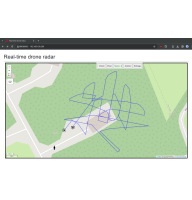
| BlueMark Innovations DroneScout Dashboard | Depends on receiver | Local single sensor | On-device software | Web UI, SQLite, Excel export, Historic replay | Buy Online |
When to Choose Each Option: Practical B2B Scenarios
In practice, the right choice hinges on your threat model and site constraints. Where rapid rollout and transparent unit pricing matter most, start with direct online models or single-sensor baseline audits. For RF-congested urban sites or critical infrastructure facing non-cooperative drones, prioritize hardware direction finding (AoA/TDoA) and layered visual confirmation.
- BlueMark Innovations DroneScout ds230 (Buy Online) — Tri-band Remote ID reception: 2.4 GHz, 5.2 GHz & 5.8 GHz. Declared Range: 5 km radius / 80 km² (manufacturer estimate). C2 / Integration: Local web UI, MQTT/JSON, MAVLink, DroneScout Dashboard & third-party C2.
- BlueMark Innovations DroneScout ds240 (Buy Online) — Tri-band Remote ID reception: 2.4 GHz, 5.2 GHz & 5.8 GHz (long-range up to 15 km radius). Declared Range: 15 km radius / 700 km² (manufacturer estimate). C2 / Integration: MQTT/JSON, MAVLink, DroneScout Dashboard, local web UI & third-party C2.
- Dronetag Scout (Buy Online) — Dual-band 2.4 GHz & 5 GHz Remote ID reception + built-in LTE cellular. Declared Range: Up to 10 km omni; up to 25 km directional (manufacturer data). C2 / Integration: Dronetag Platform (cloud/API) & third-party C2 / UTM integrations.
- BlueMark Innovations DroneScout Dashboard (Buy Online) — Local single sensor. Declared Range: Depends on receiver. C2 / Integration: Web UI, SQLite, Excel export, Historic replay.
Procurement, Deployment & Civil Compliance Notes
Before requesting a formal quote (RFQ), verify rooftop or mast elevation, available power (PoE 802.3af/at/bt vs AC 100–240 V), IT governance (cloud LTE vs on-premises/air-gapped LAN), and whether operators require automated EO/IR video confirmation. Drone Detectors (operated by AEROTRACE TECHNOLOGIES LTD, UK) is an independent civil retailer supplying passive detection-only systems without jamming, with delivery to the UK, EU, and worldwide.
Frequently Asked Questions (FAQ)
Can models from this comparison be combined in a single C2 platform?
Yes. Most critical sites fuse passive RF, Direct Remote ID, and EO/IR verification cameras inside one C2 platform to eliminate single-sensor blind spots.
Do passive RF, Remote ID, EO/IR, or acoustic sensors require transmit licenses?
No. All passive receivers and optical/acoustic sensors emit zero RF energy and cause zero interference with civil communications.
How do we procure these systems for our site?
Open any linked product page to order directly online (for priced models) or submit an RFQ with your site perimeter, power availability, and delivery country.
Related Categories & Core Technical Guides
Explore full specifications in Remote ID receivers, Incident recording, and read our foundational guides: Detection Technologies Guide, Site-Based Sensor Selection, Incident Records Guide.
Last reviewed: · Reviewed by: Arthor Holland Michel, Drone Detectors Editorial Team