RF-900
Price on Request
 Drone detection hardware and software


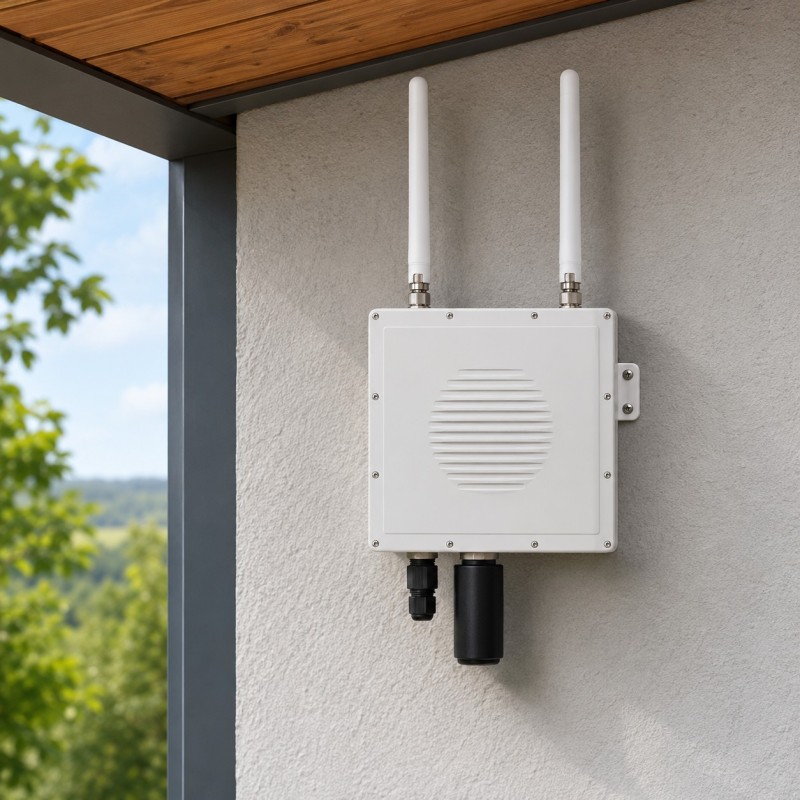
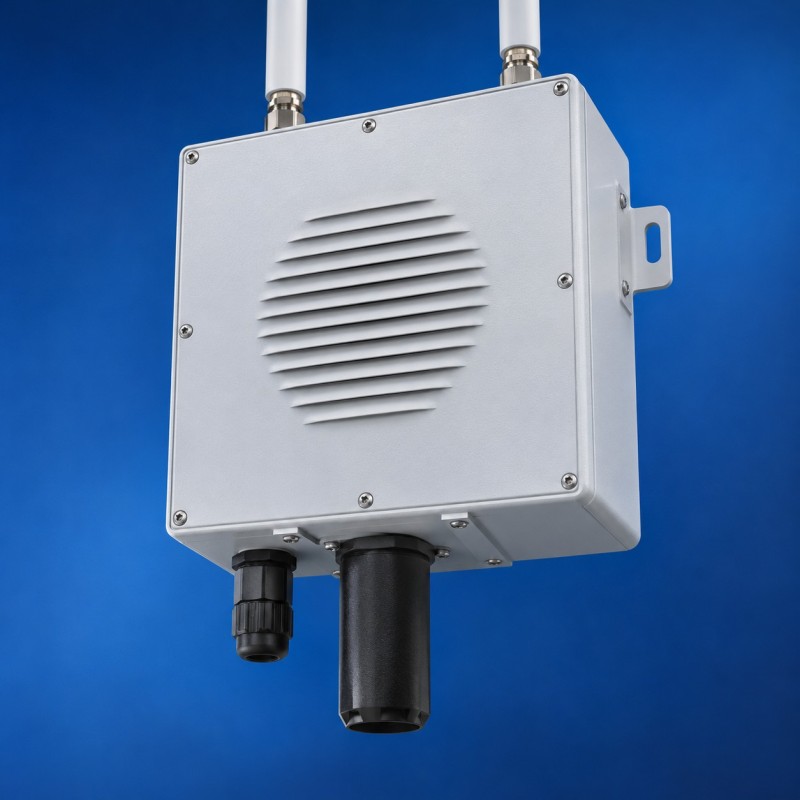
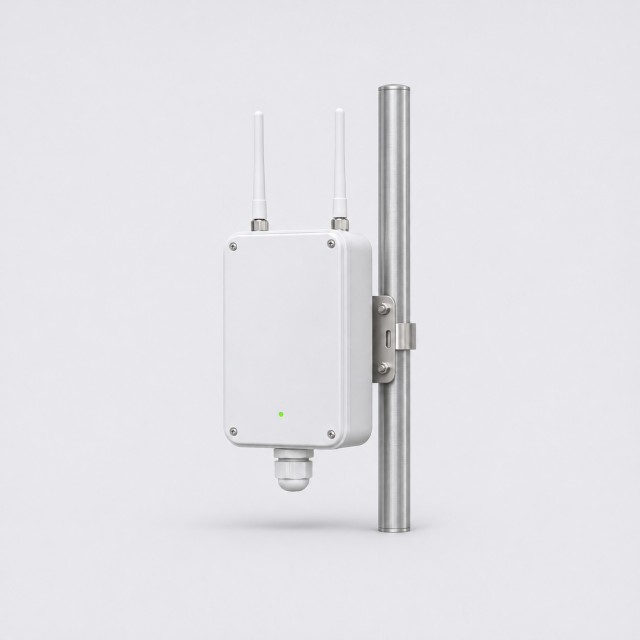
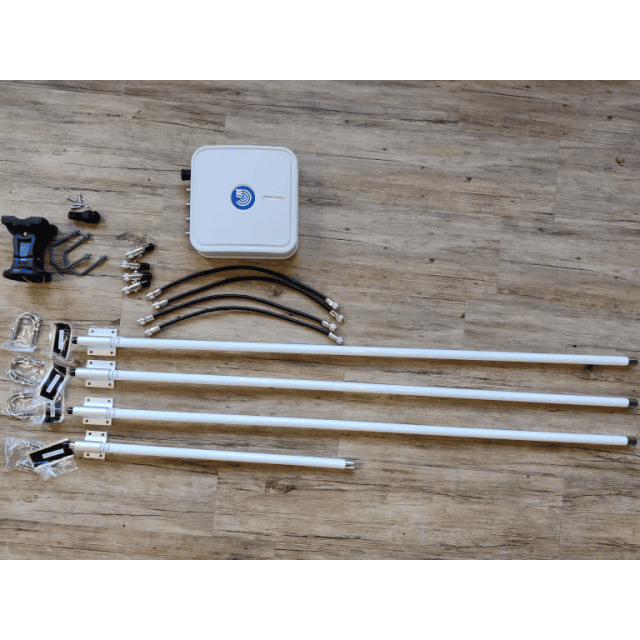
Dronetag Scout is a high-performance, stationary dual-band Remote ID receiver built for permanent 24/7 installations at airports, critical infrastructure, ports, and urban corridors. Available to buy online, it mounts directly onto masts, walls, or rooftops for continuous airspace visibility.
Unlike portable single-band receivers, Scout monitors both 2.4 GHz and 5 GHz Remote ID broadcasts (Bluetooth 4, Bluetooth 5 Long Range, Wi-Fi Beacon, Wi-Fi NAN). Range reaches up to 10 km (6 mi) with dual-band omni antennas and up to 25 km (15 mi) with directional sector antennas.
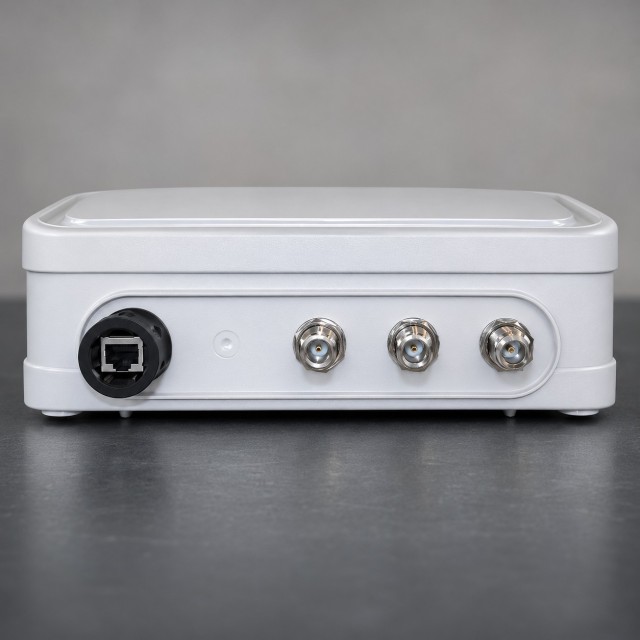
Its IP67 / NEMA-6 weatherproof enclosure (220 × 345 × 104 mm, 2.2 kg) includes an integrated heater for reliable operation from −20 °C to +50 °C. Single-cable PoE (IEEE 802.3af / 802.3at) draws just 6 W typical (10 W max.), backed by built-in LTE connectivity.
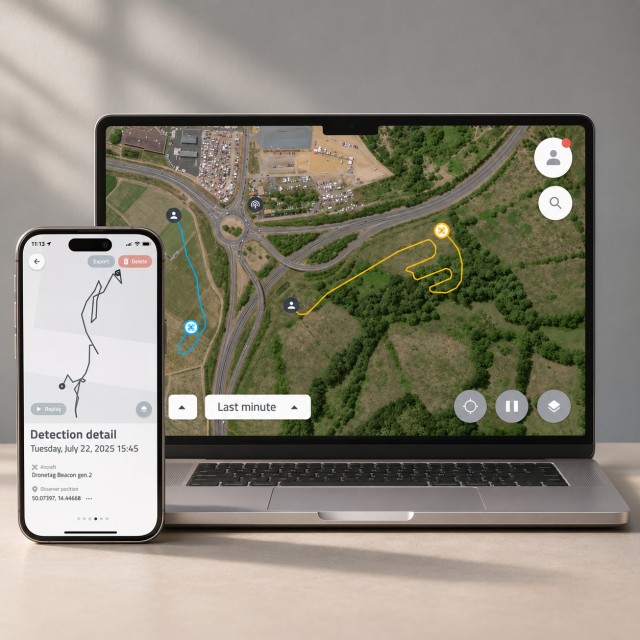
Scout streams live detections to Dronetag Platform and integrates into third-party C2 and UTM systems via API, supporting whitelisting, alerting, and historical flight logging.
Because Scout is a dedicated Direct Remote ID receiver, it detects compliant broadcasting drones only. Sites requiring detection of non-cooperative or DIY drones without Remote ID should pair Scout with a passive RF sensor. We supply detection-only equipment and software for civil airspace awareness, without jamming or active counter-UAS mitigation.
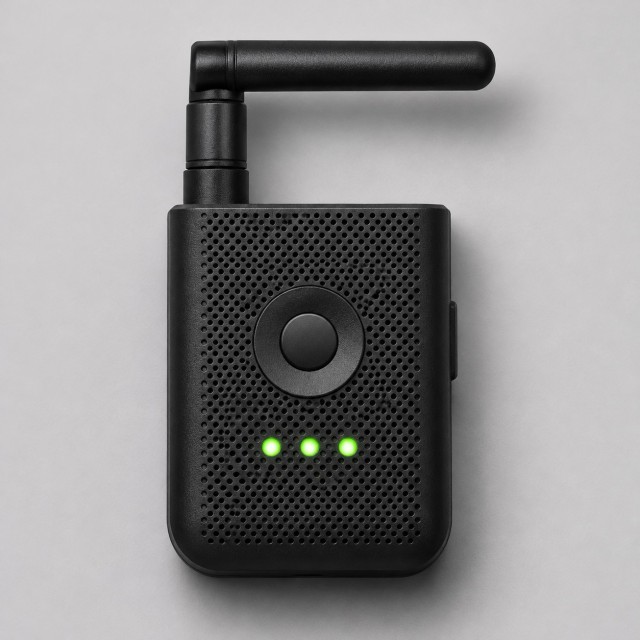
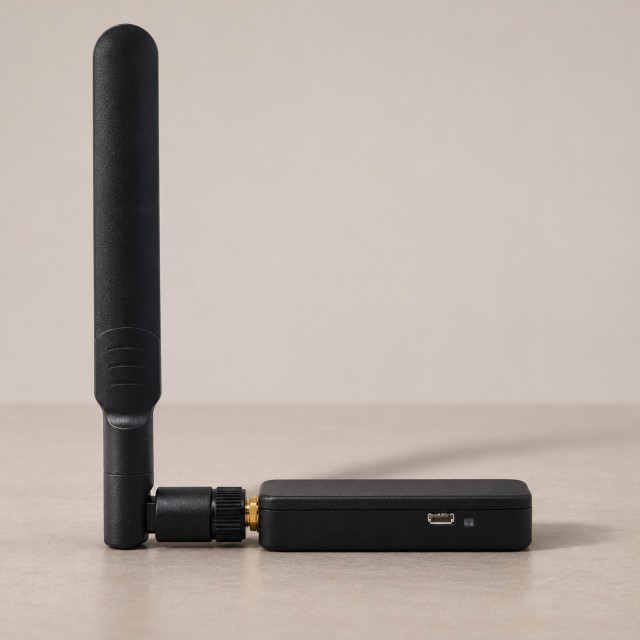
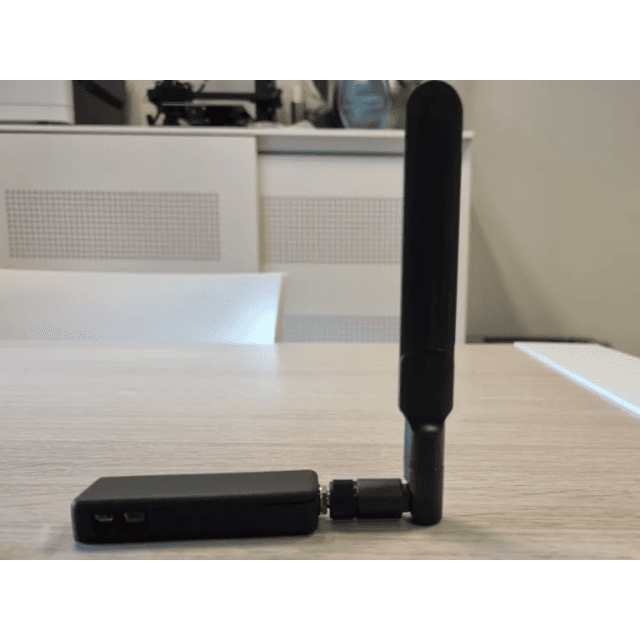
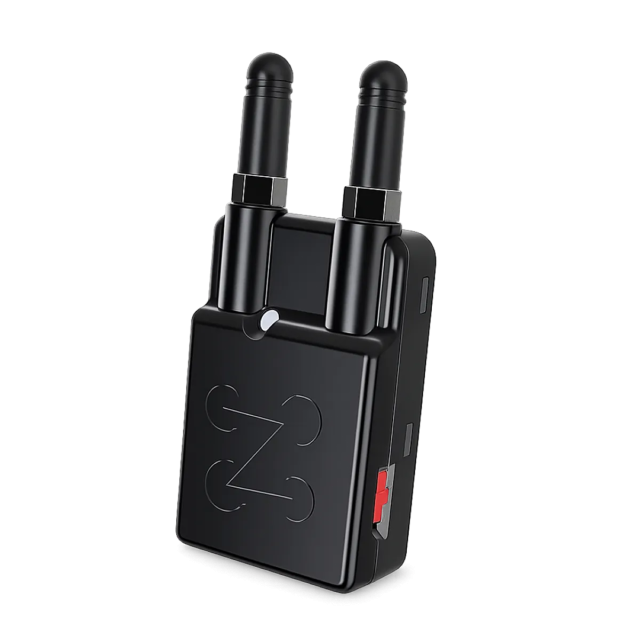
Scout is a permanent 24/7 PoE installation with IP67 + heater, dual-band 2.4/5 GHz reception, and 10–25 km range, while RIDER is a 64 g pocket battery receiver (2.4 GHz, 5–10 km).
Via standard PoE (IEEE 802.3af / 802.3at), consuming 6 W typical and 10 W maximum.
No — Scout decodes Direct Remote ID broadcasts only; combine it with a passive RF detector for non-cooperative coverage.
Drone Detectors (operated by AEROTRACE TECHNOLOGIES LTD, United Kingdom) is an independent online retailer of civil drone detection equipment and software — not an official distributor or authorised representative of the manufacturers. This model is available for direct online ordering or B2B invoice procurement. We deliver to the UK, EU and worldwide, with returns processed via our Warsaw warehouse. Technical data is sourced from the manufacturer; the order confirmation and official manufacturer datasheet are decisive.
To compare sensor families and plan site coverage, see our technical guides:
Official manufacturer documentation: