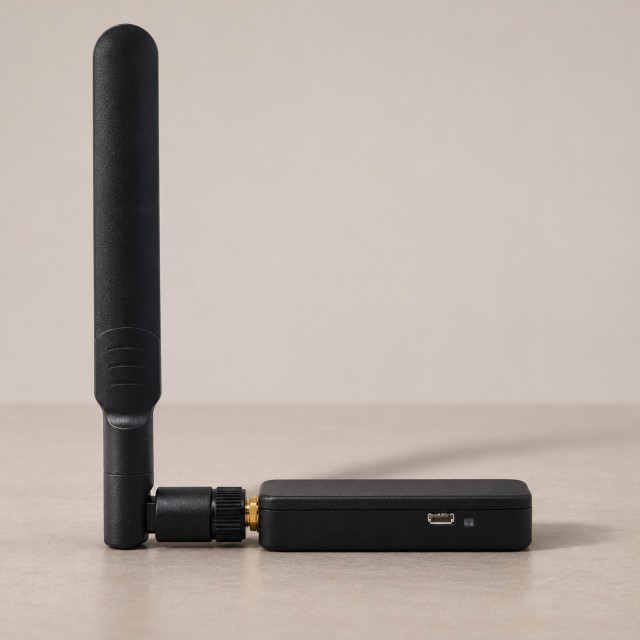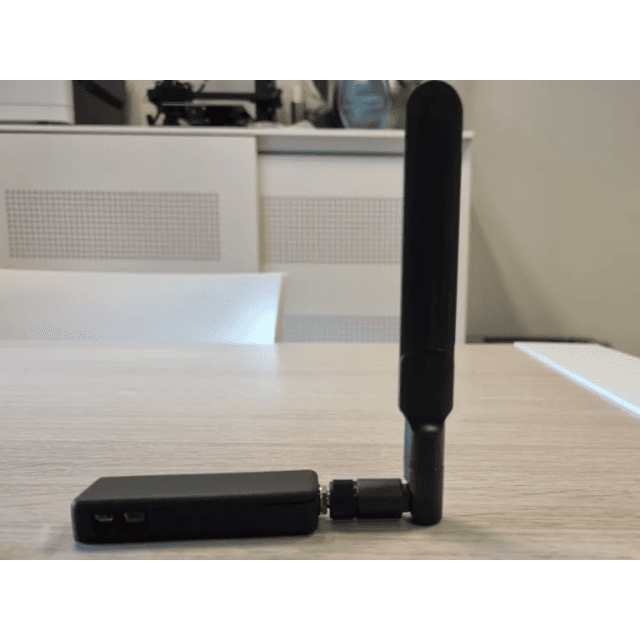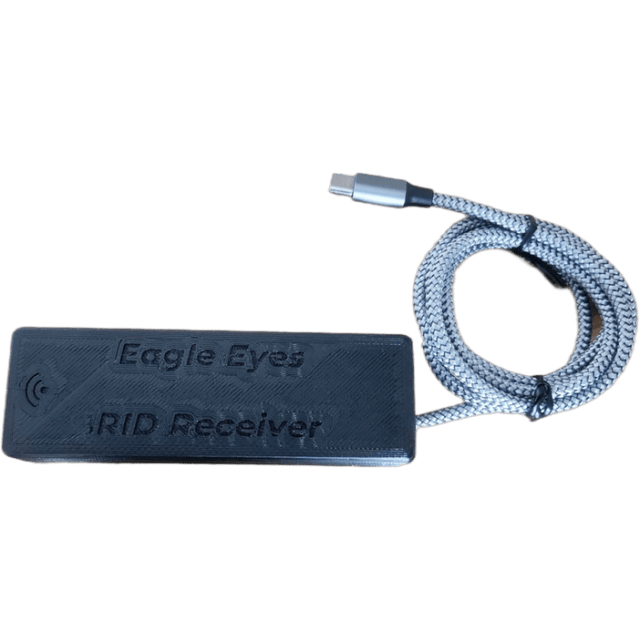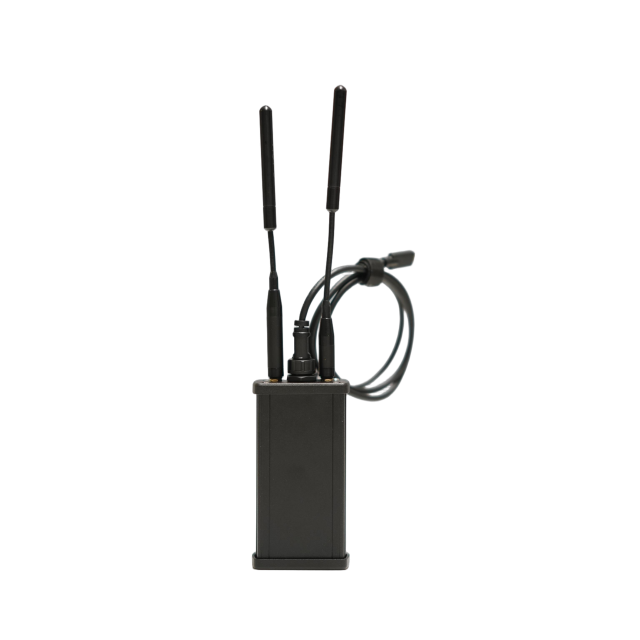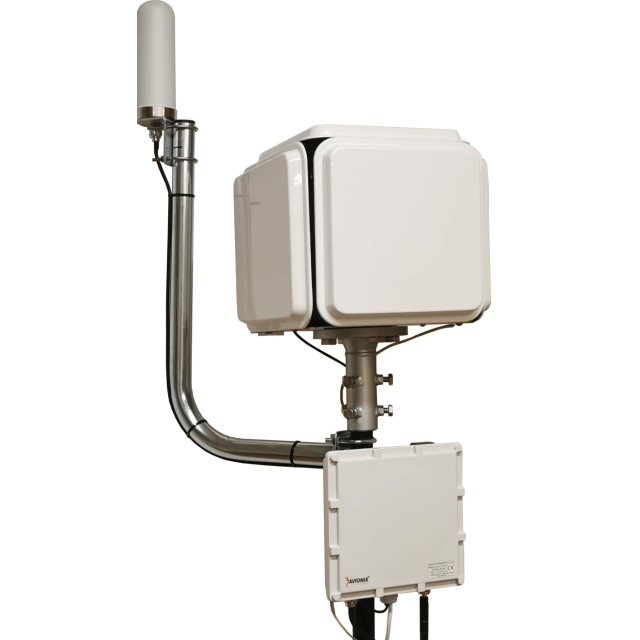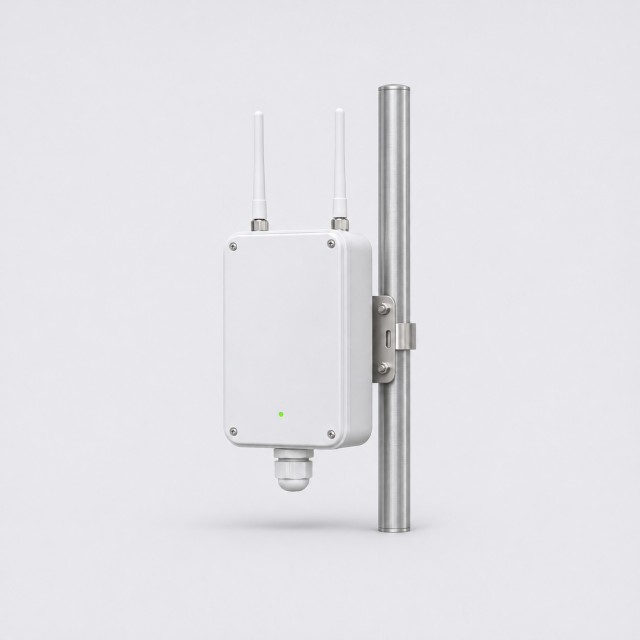
AirWarden Receiver
Price on Request
 Drone detection hardware and software


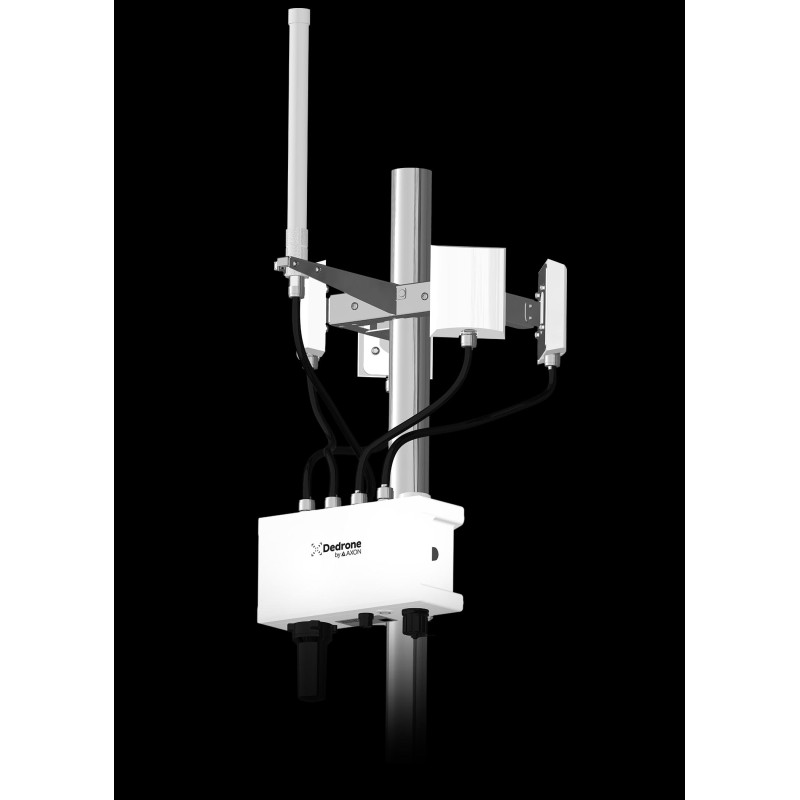
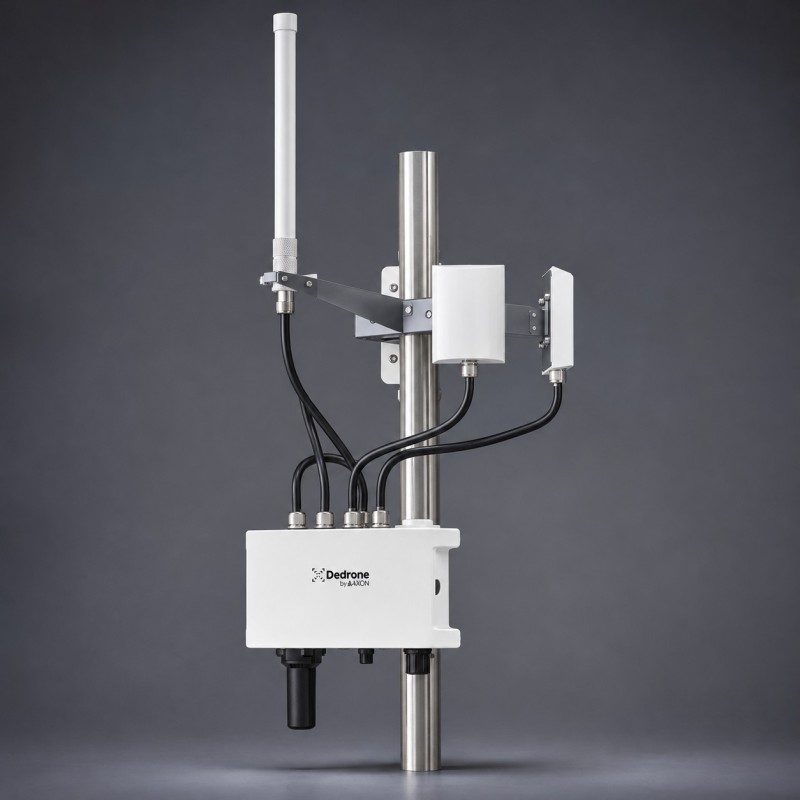
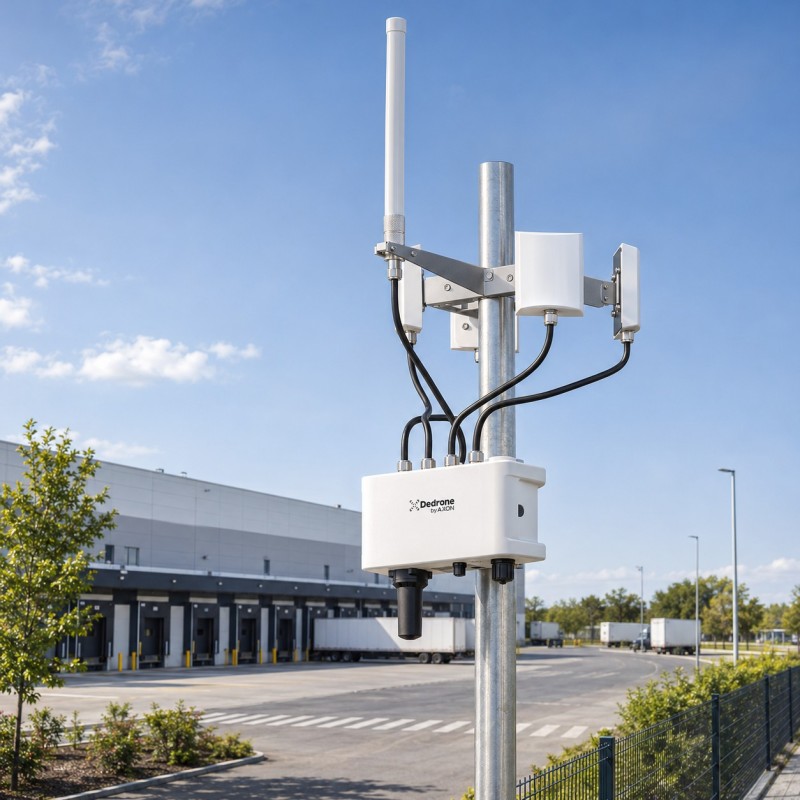
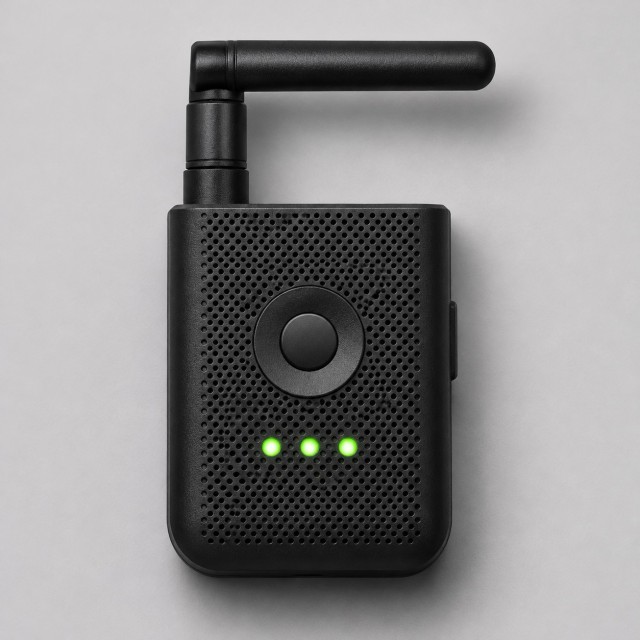
Dedrone RF-900 — Electronic-conspicuity receiver for drones and cooperative aircraft. (Designed for: airports, BVLOS operators, public safety.)
Typical sites: Airports
Verified capabilities & integrations:
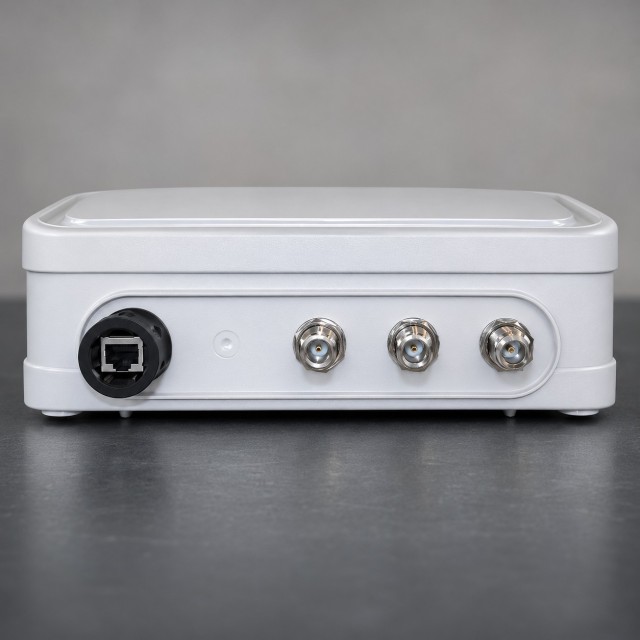
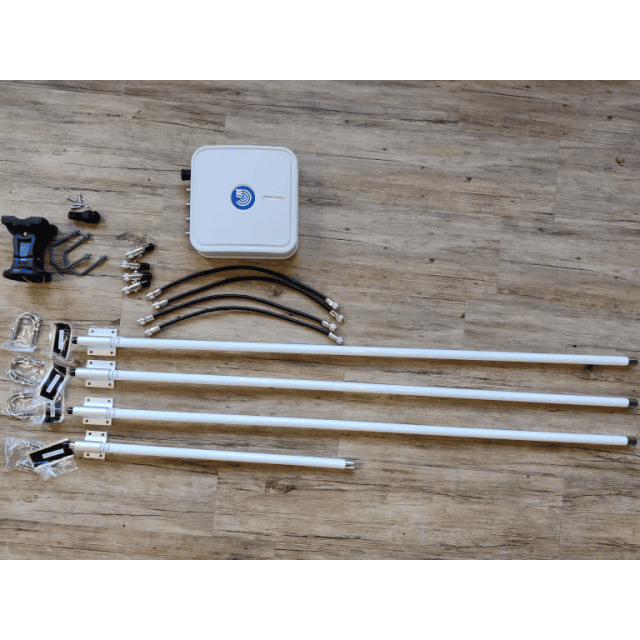
Dedrone RF-900 uses a "Fixed sensor" form factor built for "Networked" deployment. Enclosure protection: Weatherproof outdoor housing (IP65/IP66-class) for rooftop and mast installations. Power: PoE or fixed AC/DC mains power (per Dedrone installation kit). Real-world detection range and coverage (Omnidirectional) depend on mounting height, local line of sight, and ambient RF noise.
The unit integrates with DedroneTracker.AI (unified airspace picture combining drones & crewed aircraft). Available interfaces include: Remote ID, ADS-B, FLARM, UAT, DedroneTracker.AI. This allows security teams to feed live detections into an existing command room, automate alerting, and combine this device with complementary sensor layers.
As a dedicated Remote ID receiver, Dedrone RF-900 detects compliant drones broadcasting standard Remote ID packets. Non-cooperative or modified drones flying without Remote ID require a complementary passive RF or EO/IR sensor layer. We supply detection-only equipment without jamming or active mitigation.
No. Dedrone RF-900 is a dedicated Remote ID receiver (Direct Remote ID + cooperative aircraft transponders to separate drones from crewed aviation). To detect non-cooperative drones without Remote ID, combine it with a passive RF sensor.
Power: PoE or fixed AC/DC mains power (per Dedrone installation kit). Enclosure protection: Weatherproof outdoor housing (IP65/IP66-class) for rooftop and mast installations.
Submit an RFQ with your site requirements and quantity; we will prepare a formal quote with delivery options to the UK, EU, or worldwide.
Drone Detectors (operated by AEROTRACE TECHNOLOGIES LTD, United Kingdom) is an independent online retailer of civil drone detection equipment and software — not an official distributor of the manufacturers. Pricing is provided on request (RFQ) tailored to your site configuration. We deliver to the UK, EU and worldwide, with returns processed via our Warsaw warehouse. The order confirmation and official manufacturer datasheet are decisive.
Recommended technical guides for sensor comparison and site planning:
Official manufacturer documentation: