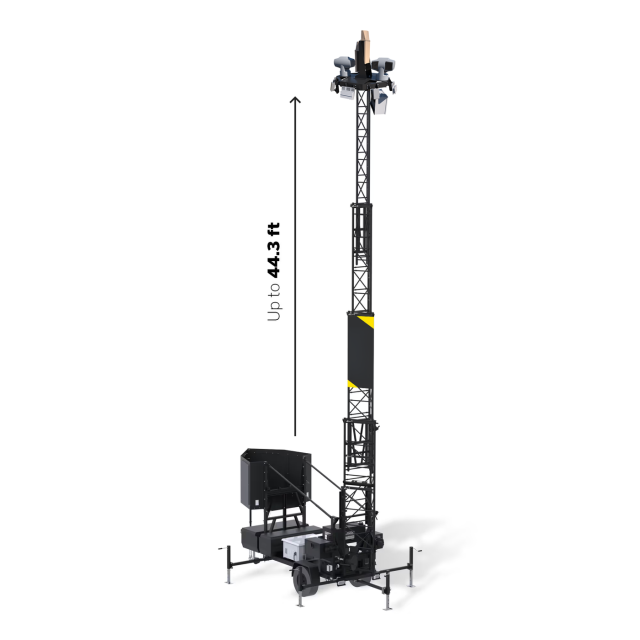
DedroneTrailer+
Price on Request
 Drone detection hardware and software




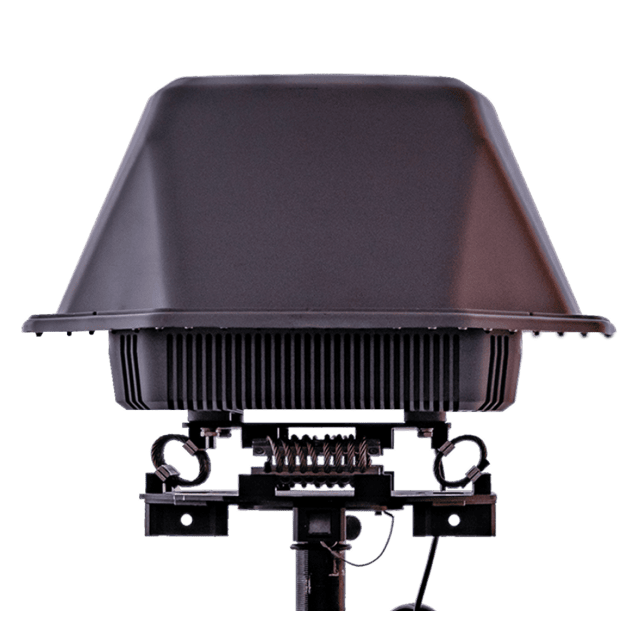
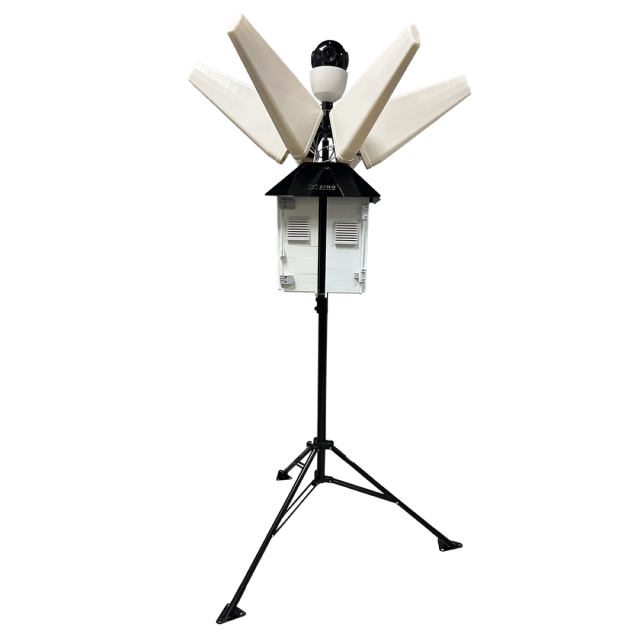
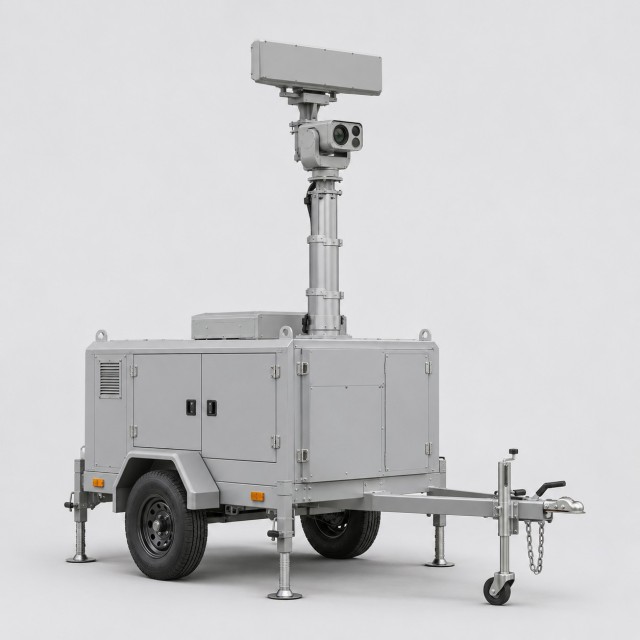
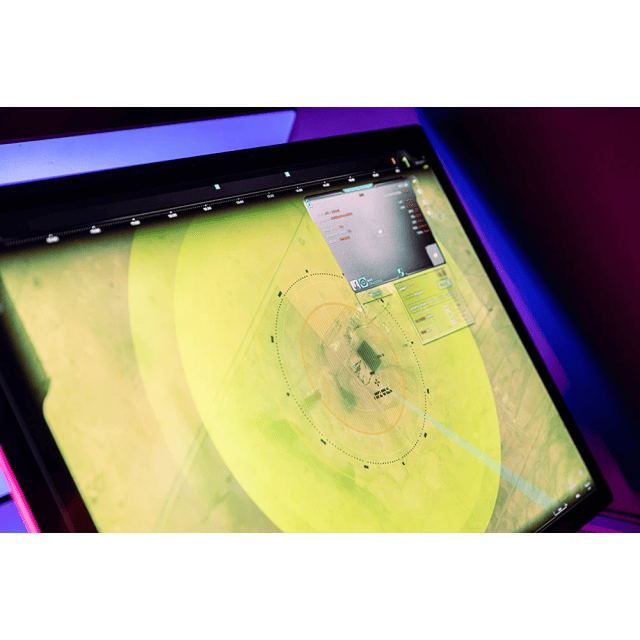
MARSS NiDAR CUAS — Automated layered drone detection; classification and C2 solution. (Designed for: infrastructure operators, maritime operators, government agencies.)
Typical sites: Ports & maritime sites · Critical infrastructure · Military bases
Verified capabilities & integrations:
MARSS NiDAR CUAS is built in a "Integrated system" form factor for "Fixed or expeditionary" deployment. Environmental protection: IP67 hardware components (operating temperature −20 °C to +55 °C). Power: 20–35 V DC power input (for detection sensors and NiDAR CORE processing). Effective coverage (Layered) and detection range depend on mounting height, local weather, and unobstructed line of sight.
Integration profile: MARSS NiDAR CORE AI engine (automated multi-sensor fusion, classification & C2). Supported interfaces: NiDAR Core, Radar, EO/IR, RF, Alerts. This enables smooth integration into existing security operations centers and multi-site scaling.
Multi-sensor systems fuse complementary detection physics to close individual blind spots. Note: even where the manufacturer offers optional active effectors, Drone Detectors strictly supplies civil detection-only configurations without jamming.
MARSS NiDAR CUAS uses "Layered stack: radar (2–25+ km) + cooled thermal IR PTZ + RF 20 MHz – 6 GHz (detect-only supplied)" (Drones; Crewed aircraft with cooperative signals) to detect, classify, and support verification of UAVs per the manufacturer’s specifications.
Power: 20–35 V DC power input (for detection sensors and NiDAR CORE processing). Environmental protection: IP67 hardware components (operating temperature −20 °C to +55 °C).
Submit an RFQ with your site requirements and we will provide pricing, configuration options, and delivery to the UK, EU, or worldwide.
Drone Detectors (operated by AEROTRACE TECHNOLOGIES LTD, United Kingdom) is an independent online retailer of civil drone detection equipment and software — not an official distributor of the manufacturers. Pricing is provided on request (RFQ) tailored to your site. We deliver to the UK, EU and worldwide, with returns handled via our Warsaw warehouse. The order confirmation and official manufacturer datasheet are decisive.
Recommended technical guides for comparing sensors and designing site coverage:
Official manufacturer documentation: