Skip to content
Drone detection hardware and software
0 0

CRFS RFeye DroneDefense RF Drone Detection Sensor

Brand: CRFS
All about product
Description
Specification
Recommended
CRFS RFeye DroneDefense RF drone detection sensor
Price on Request
Price on Request
API:Built in — C2 delivery and integration
Frequency bands:9 kHz – 18 GHz (or up to 40 GHz depending on RFeye Node hardware)
Supported protocols:3D geolocation (TDoA / AoA) without drone-library dependency (COTS, modified & non-ISM UAS)
Power supply:SWaP-optimized: ~35 W (Node 100-18LW) or <65 W (Stormcase); DC, AC or PoE variants
Ingress protection (IP):IP67 (ruggedized milled-aluminum RFeye Node enclosure)
CRFS RFeye DroneDefense RF drone detection sensor
CRFS RFeye DroneDefense RF Drone Detection Sensor
Price on Request
Description

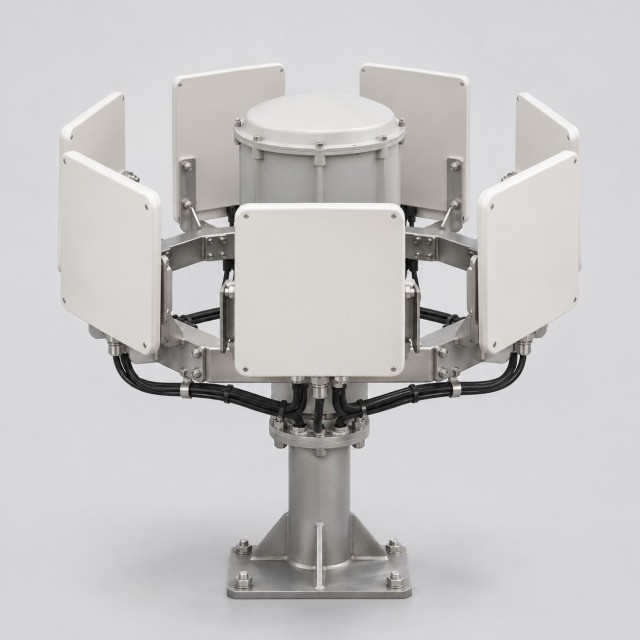
CRFS RFeye DroneDefense — Wideband passive RF detection and 3D geolocation without a drone library dependency. (Designed for: infrastructure operators, border security, system integrators, government agencies.)

Typical sites: Critical infrastructure · Military bases

Key capabilities & technical specifications

  • Declared range: 100 MHz to above 10 GHz
  • Frequency bands: 9 kHz – 18 GHz (or up to 40 GHz depending on RFeye Node hardware)
  • Supported protocols: 3D geolocation (TDoA / AoA) without drone-library dependency (COTS, modified & non-ISM UAS)
  • Coverage: 3D TDOA
  • Power supply: SWaP-optimized: ~35 W (Node 100-18LW) or <65 W (Stormcase); DC, AC or PoE variants
  • Ingress protection: IP67 (ruggedized milled-aluminum RFeye Node enclosure)
  • C2 compatibility: CRFS RFeye Mission Manager / RFeye Site + open APIs for external C2
  • Detects: Drones; Crewed aircraft with cooperative signals

Verified capabilities & integrations:

  • API: Built in — C2 delivery and integration
  • Geolocation: Built in — 3D TDOA latitude; longitude and altitude
  • Passive RF detection: Built in — 100 MHz to above 10 GHz
  • Raw data recording: Built in — RF capture supports post-analysis

Hardware, power & deployment conditions

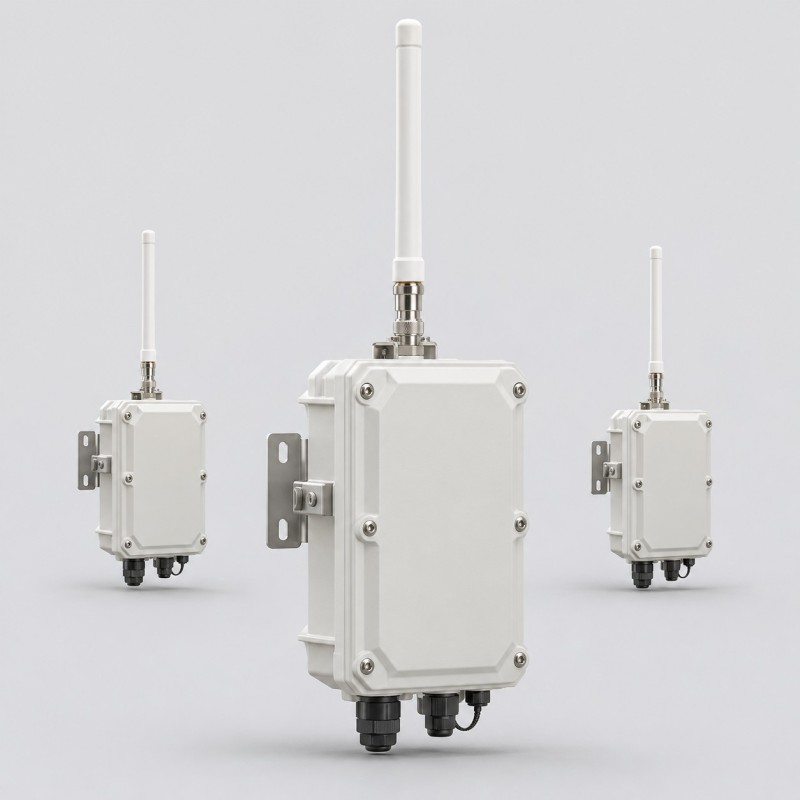
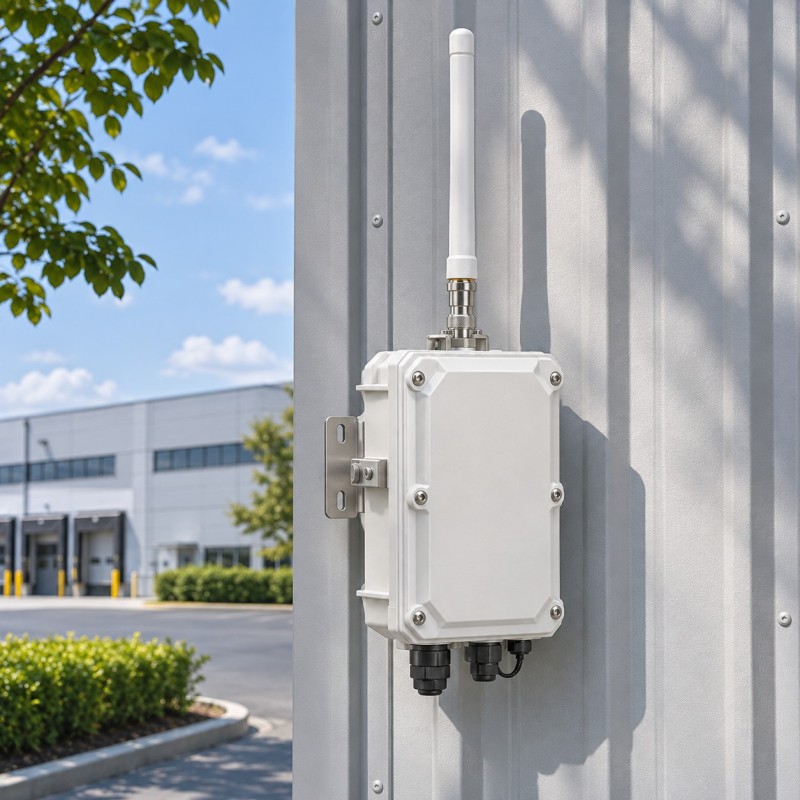
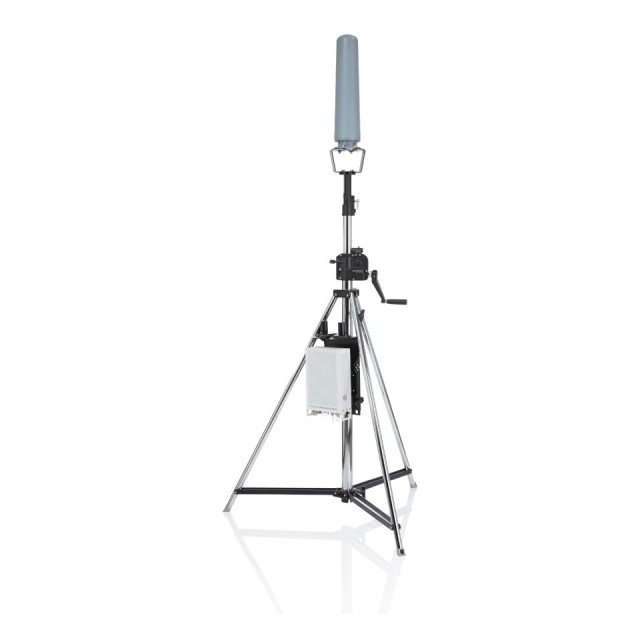
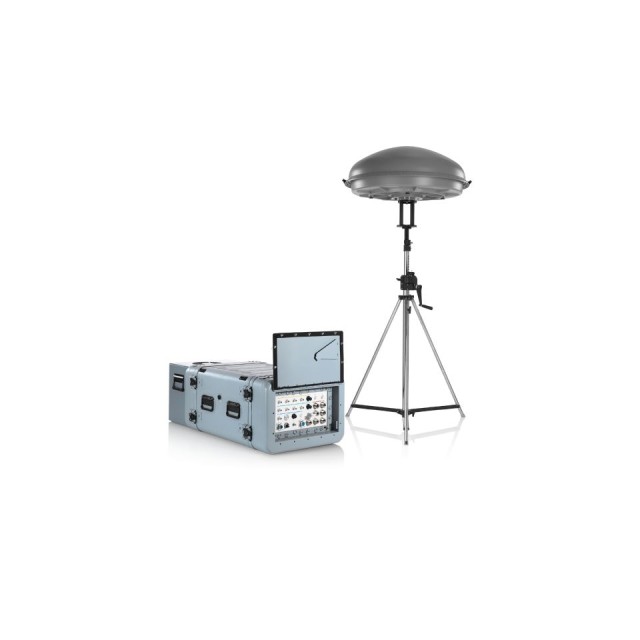
CRFS RFeye DroneDefense uses a "Distributed node network" form factor built for "Fixed or mobile network" deployment. Enclosure protection: IP67 (ruggedized milled-aluminum RFeye Node enclosure). Power: SWaP-optimized: ~35 W (Node 100-18LW) or <65 W (Stormcase); DC, AC or PoE variants. Real-world detection range and coverage (3D TDOA) depend on mounting height, local line of sight, and ambient RF noise.

C2 compatibility & system integration

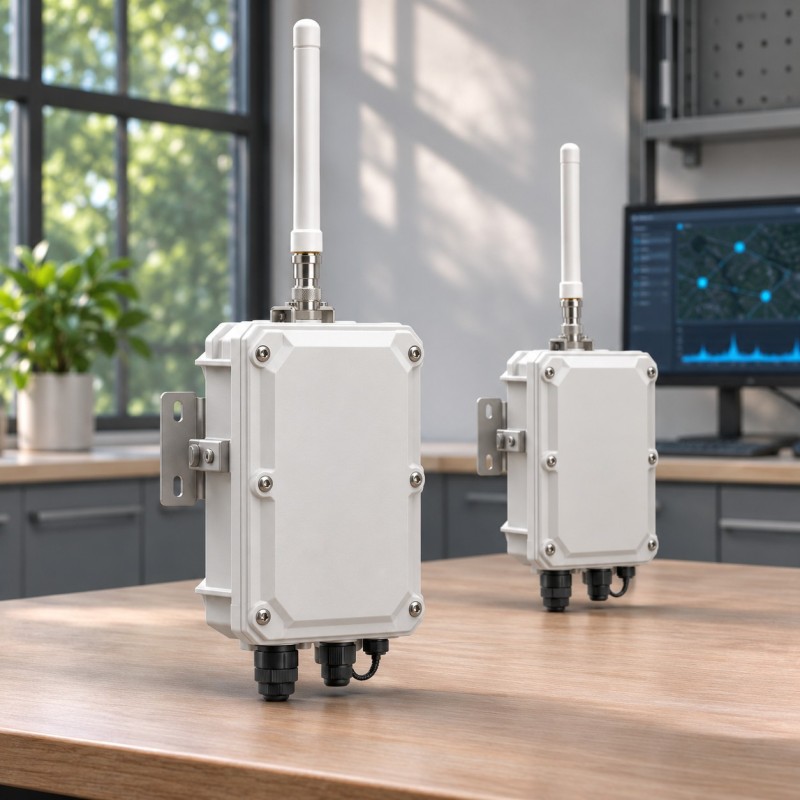
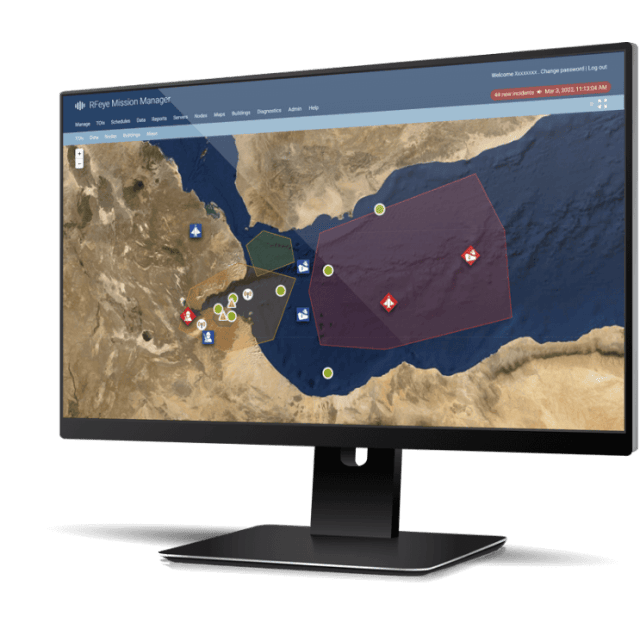
The unit integrates with CRFS RFeye Mission Manager / RFeye Site + open APIs for external C2. Available interfaces include: RFeye Nodes, Mission Manager, API. This allows security teams to feed live detections into an existing command room, automate alerting, and combine this device with complementary sensor layers.

Operational limitations & detection-only scope

As a passive RF sensor, CRFS RFeye DroneDefense detects drones transmitting active control, telemetry, or video signals and cannot detect completely autonomous, non-emitting aircraft. Urban multipath and obstacles reduce effective range compared with unobstructed line of sight. We supply detection-only equipment without jamming or active mitigation.

Frequently asked questions

Does CRFS RFeye DroneDefense detect drones without Remote ID?

Yes — CRFS RFeye DroneDefense monitors the RF spectrum (9 kHz – 18 GHz (or up to 40 GHz depending on RFeye Node hardware)) to detect transmitting drones according to the manufacturer’s protocol and signal-analysis capabilities.

What power supply and enclosure protection does CRFS RFeye DroneDefense require?

Power: SWaP-optimized: ~35 W (Node 100-18LW) or <65 W (Stormcase); DC, AC or PoE variants. Enclosure protection: IP67 (ruggedized milled-aluminum RFeye Node enclosure).

How do I request pricing and lead time for CRFS RFeye DroneDefense?

Submit an RFQ with your site requirements and quantity; we will prepare a formal quote with delivery options to the UK, EU, or worldwide.

How we work

Drone Detectors (operated by AEROTRACE TECHNOLOGIES LTD, United Kingdom) is an independent online retailer of civil drone detection equipment and software — not an official distributor of the manufacturers. Pricing is provided on request (RFQ) tailored to your site configuration. We deliver to the UK, EU and worldwide, with returns processed via our Warsaw warehouse. The order confirmation and official manufacturer datasheet are decisive.

Related guides & official documentation

Recommended technical guides for sensor comparison and site planning:

Official manufacturer documentation:
Specifications

Capabilities & integrations
API
Built in — C2 delivery and integration
Geolocation
Built in — 3D TDOA latitude; longitude and altitude
Passive RF detection
Built in — 100 MHz to above 10 GHz
Raw data recording
Built in — RF capture supports post-analysis
Technical overview
Frequency bands
9 kHz – 18 GHz (or up to 40 GHz depending on RFeye Node hardware)
Supported protocols
3D geolocation (TDoA / AoA) without drone-library dependency (COTS, modified & non-ISM UAS)
Power supply
SWaP-optimized: ~35 W (Node 100-18LW) or <65 W (Stormcase); DC, AC or PoE variants
Ingress protection (IP)
IP67 (ruggedized milled-aluminum RFeye Node enclosure)
C2 compatibility
CRFS RFeye Mission Manager / RFeye Site + open APIs for external C2
Product family
RFeye
Form factor
Distributed node network
Deployment
Fixed or mobile network
Coverage
3D TDOA
Declared range
100 MHz to above 10 GHz
Interfaces
RFeye Nodes, Mission Manager, API
Designed for
infrastructure operators, border security, system integrators, government agencies
Detects
Drones; Crewed aircraft with cooperative signals
Pricing model
Price on request
Availability
Available on request (RFQ)
Availability regions
worldwide
Product status
Current product
Products

Related Products