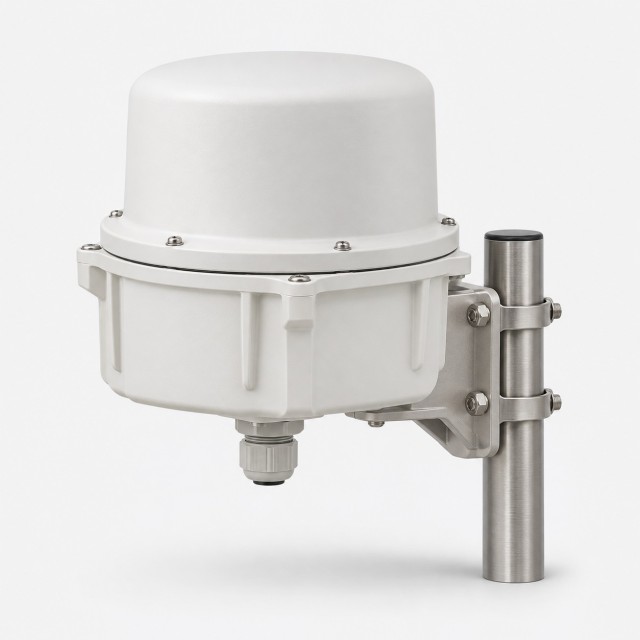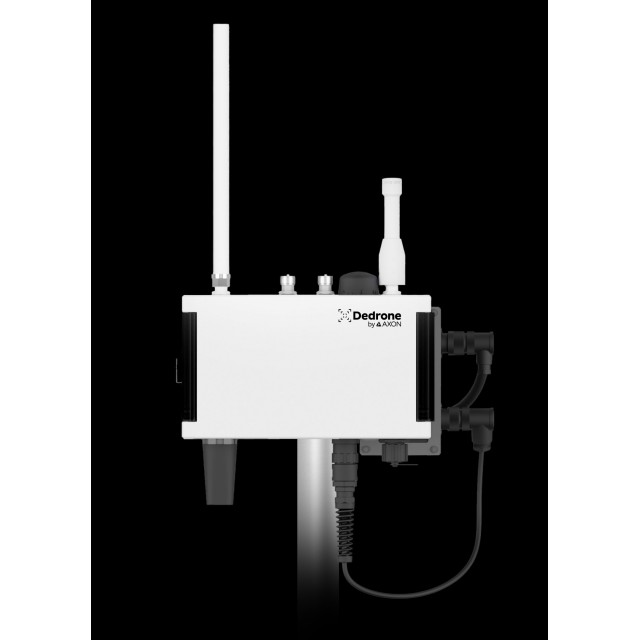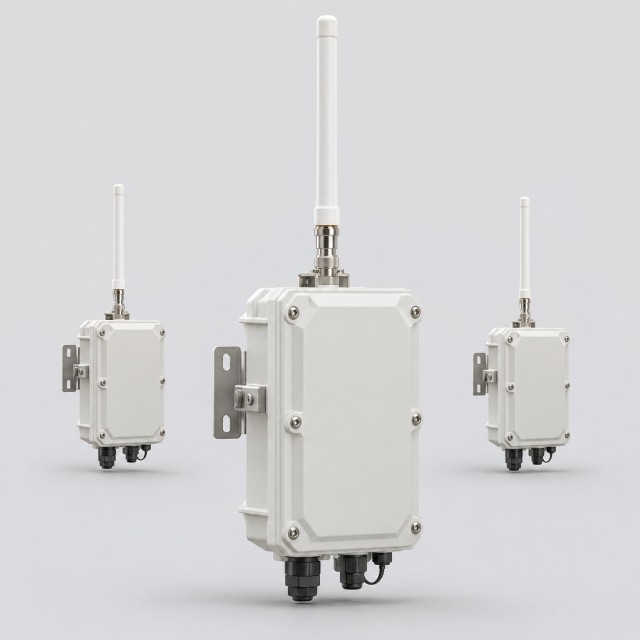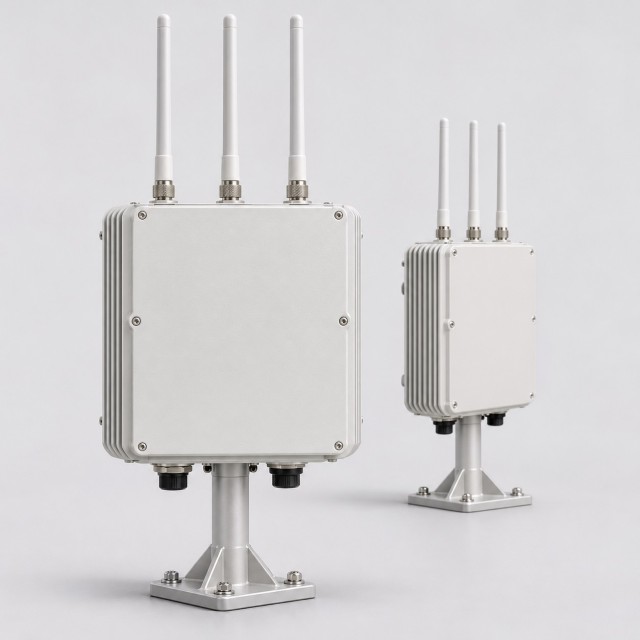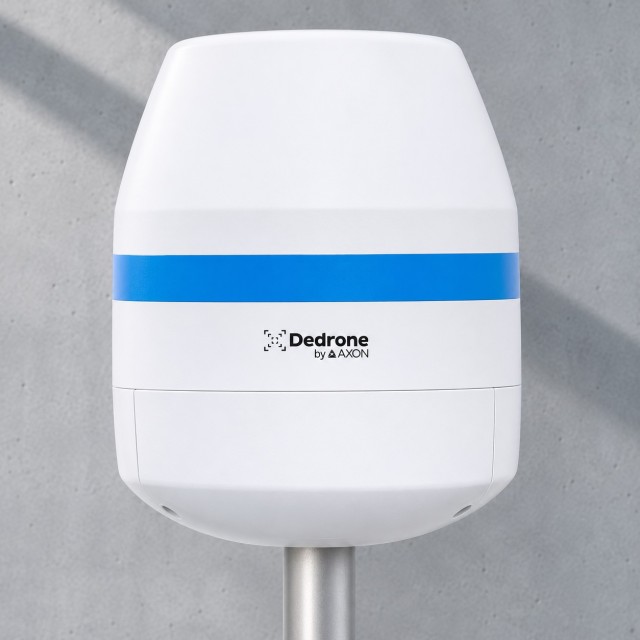
RF-160
Price on Request
 Drone detection hardware and software


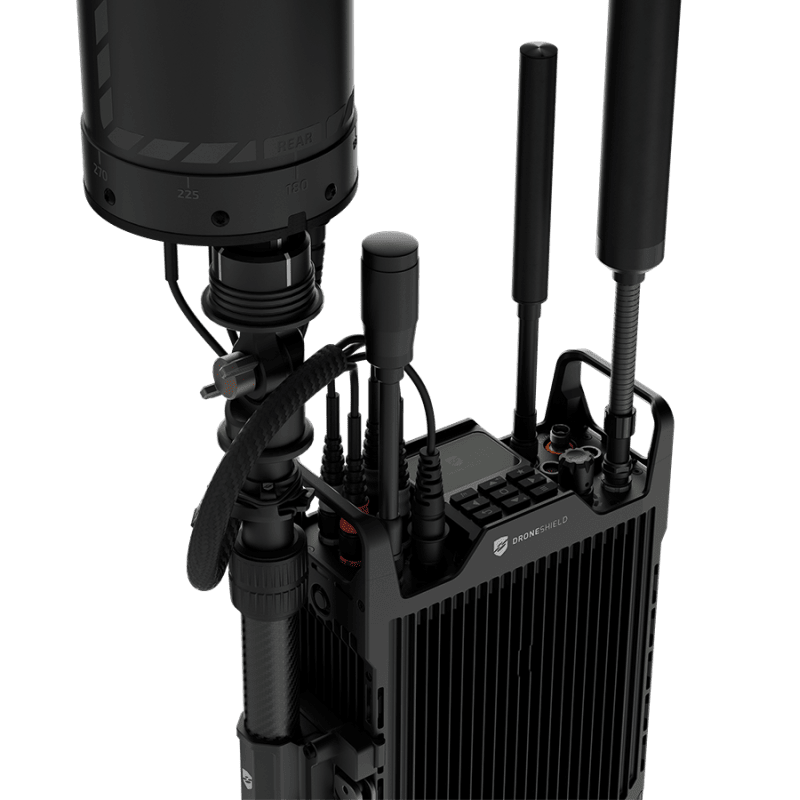
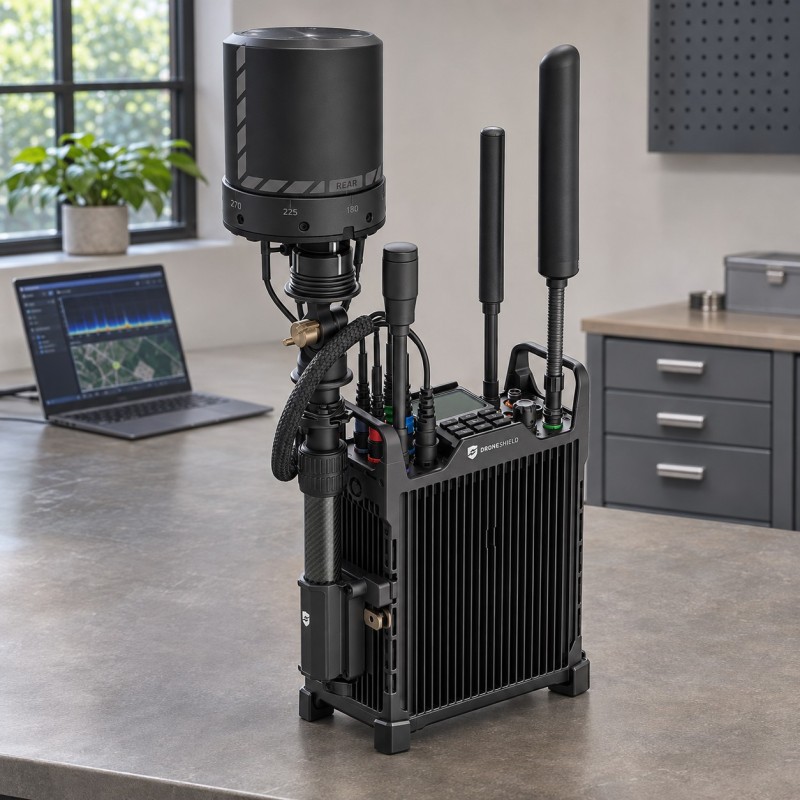
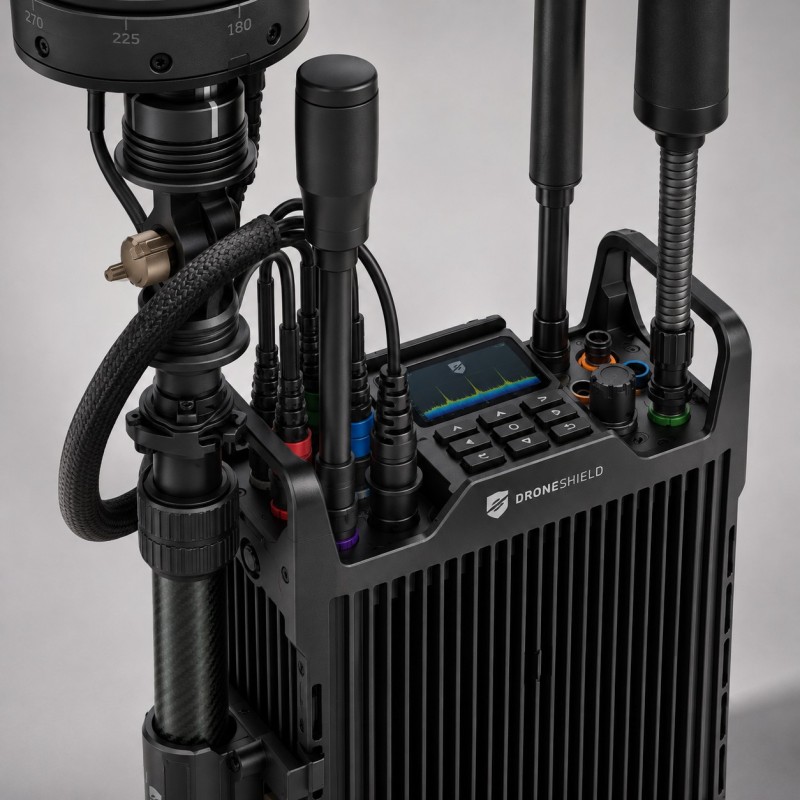
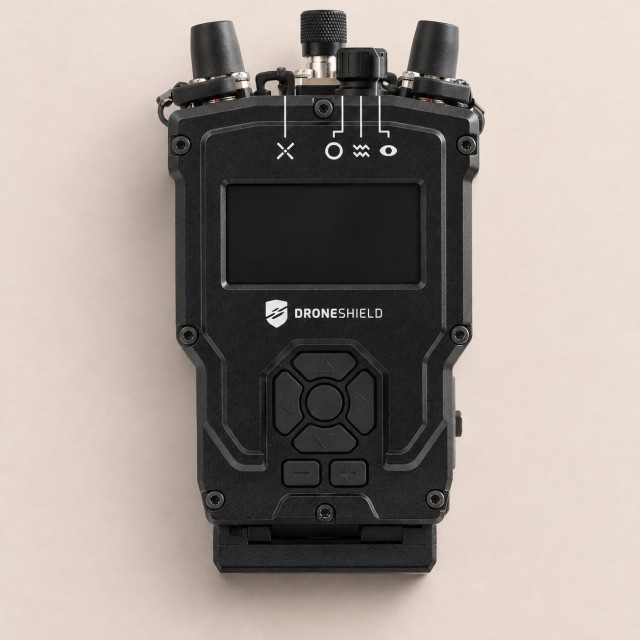
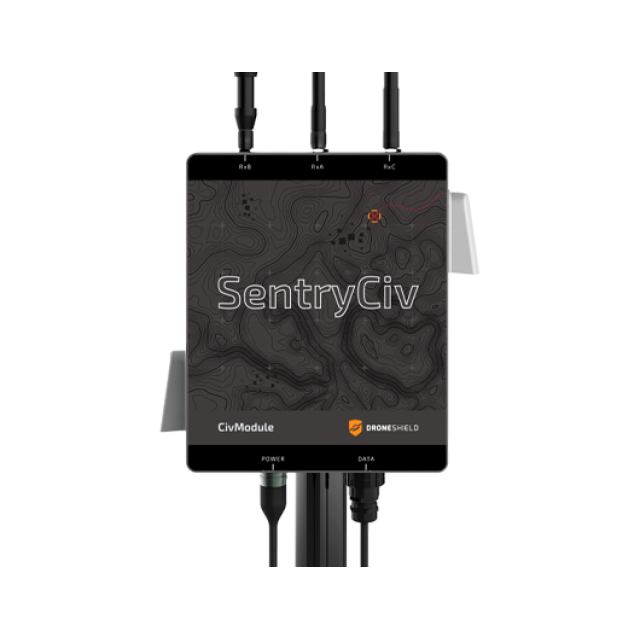
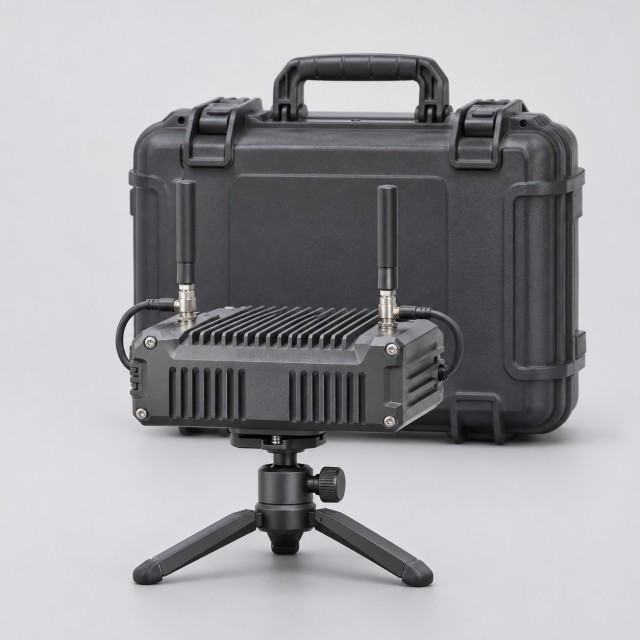
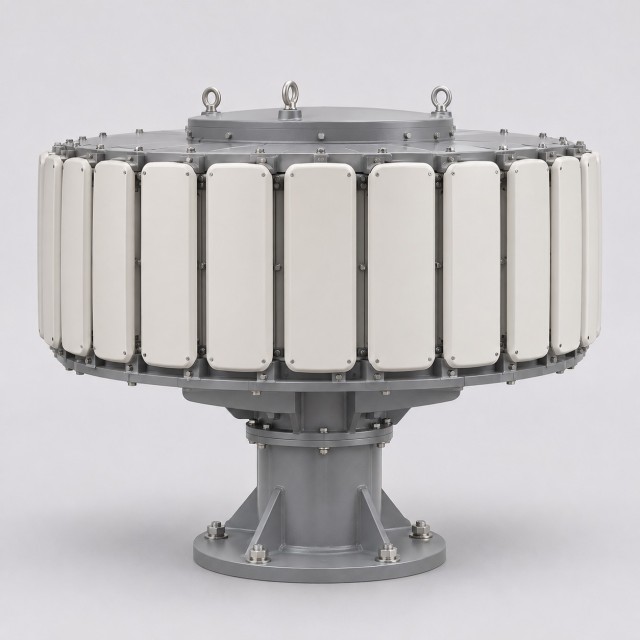
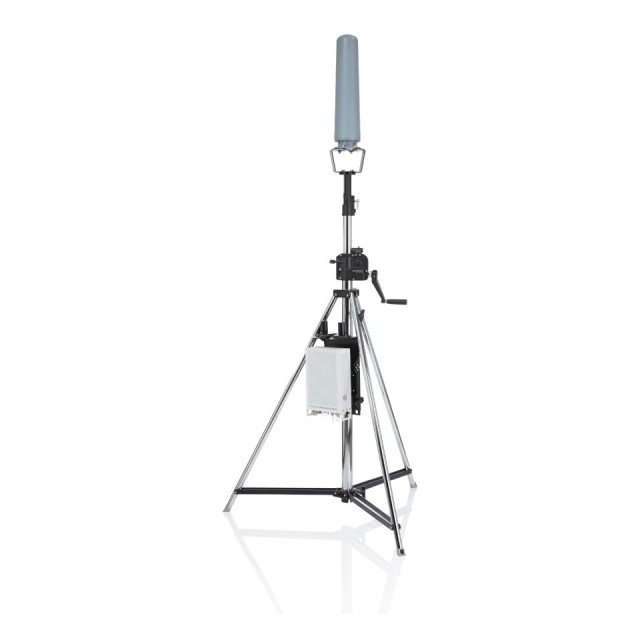
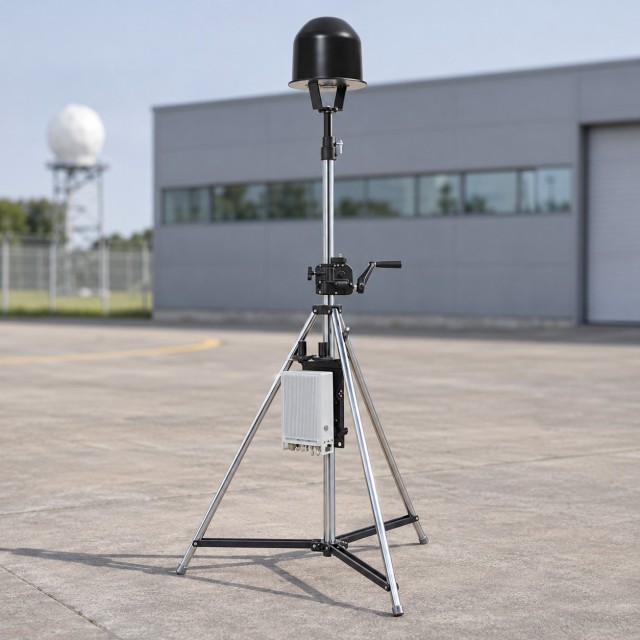
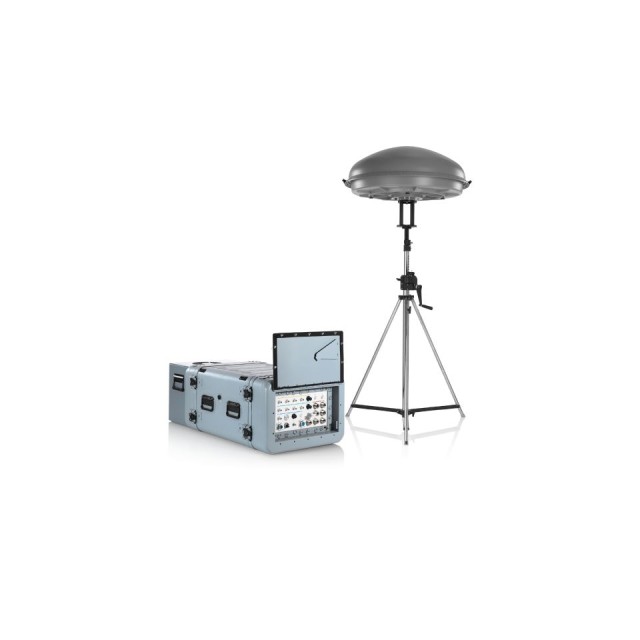
DroneShield RfRecon — Portable RF intelligence system that detects and geolocates RF activity. (Designed for: government agencies, security services, public safety.)
Typical sites: Military bases
Verified capabilities & integrations:
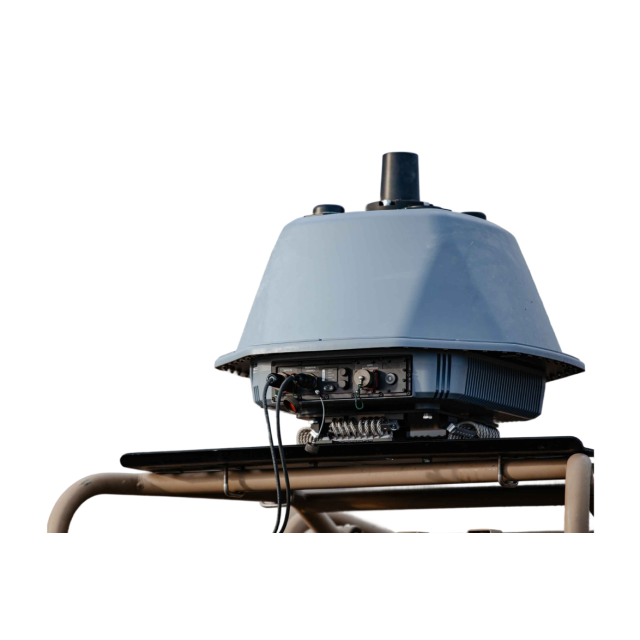
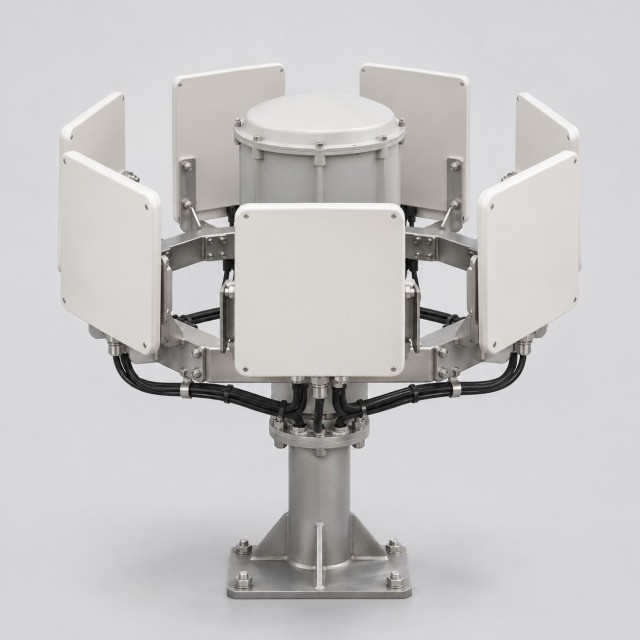
DroneShield RfRecon uses a "Man-portable" form factor built for "On foot; Vehicle-mounted; Vessel-mounted; Fixed installation" deployment. Enclosure protection: IP67 (ruggedized enclosure for harsh tactical & mobile environments). Power: Field-portable battery architecture for dismounted and mobile operations. Real-world detection range and coverage (Direction finding) depend on mounting height, local line of sight, and ambient RF noise.
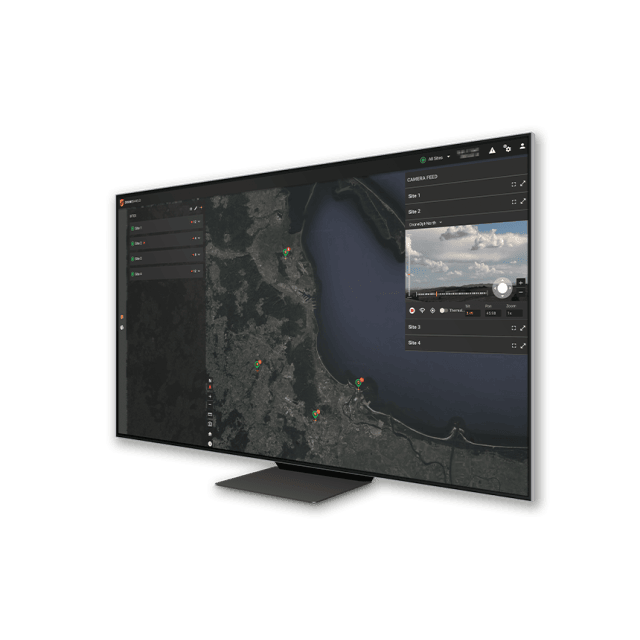
The unit integrates with DroneSentry-C2 Tactical, TAK and local RF intelligence export. Available interfaces include: TAK, AIS, ADS-B, Remote ID, RfAI-3. This allows security teams to feed live detections into an existing command room, automate alerting, and combine this device with complementary sensor layers.
As a passive RF sensor, DroneShield RfRecon detects drones transmitting active control, telemetry, or video signals and cannot detect completely autonomous, non-emitting aircraft. Urban multipath and obstacles reduce effective range compared with unobstructed line of sight. We supply detection-only equipment without jamming or active mitigation.
Yes — DroneShield RfRecon monitors the RF spectrum (Ultra-wideband tactical RF spectrum (Wi-Fi, Bluetooth/Remote ID, cellular, GNSS, AIS & ADS-B)) to detect transmitting drones according to the manufacturer’s protocol and signal-analysis capabilities.
Power: Field-portable battery architecture for dismounted and mobile operations. Enclosure protection: IP67 (ruggedized enclosure for harsh tactical & mobile environments).
Submit an RFQ with your site requirements and quantity; we will prepare a formal quote with delivery options to the UK, EU, or worldwide.
Drone Detectors (operated by AEROTRACE TECHNOLOGIES LTD, United Kingdom) is an independent online retailer of civil drone detection equipment and software — not an official distributor of the manufacturers. Pricing is provided on request (RFQ) tailored to your site configuration. We deliver to the UK, EU and worldwide, with returns processed via our Warsaw warehouse. The order confirmation and official manufacturer datasheet are decisive.
Recommended technical guides for sensor comparison and site planning:
Official manufacturer documentation: