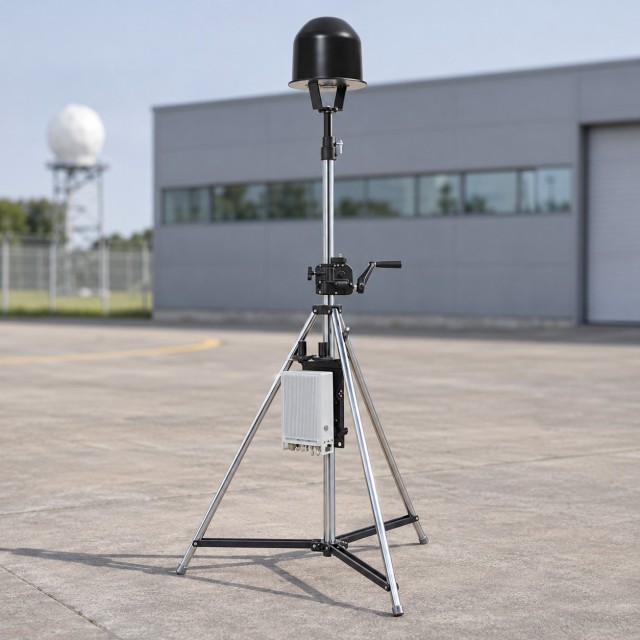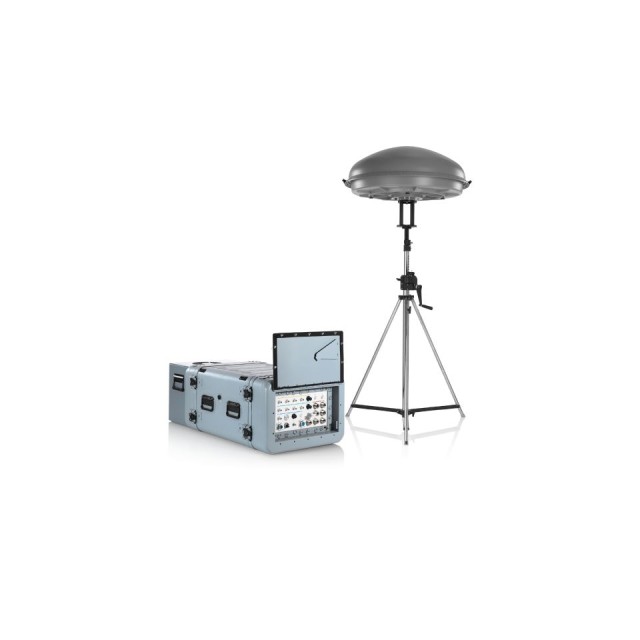
RF-360
Price on Request
 Drone detection hardware and software


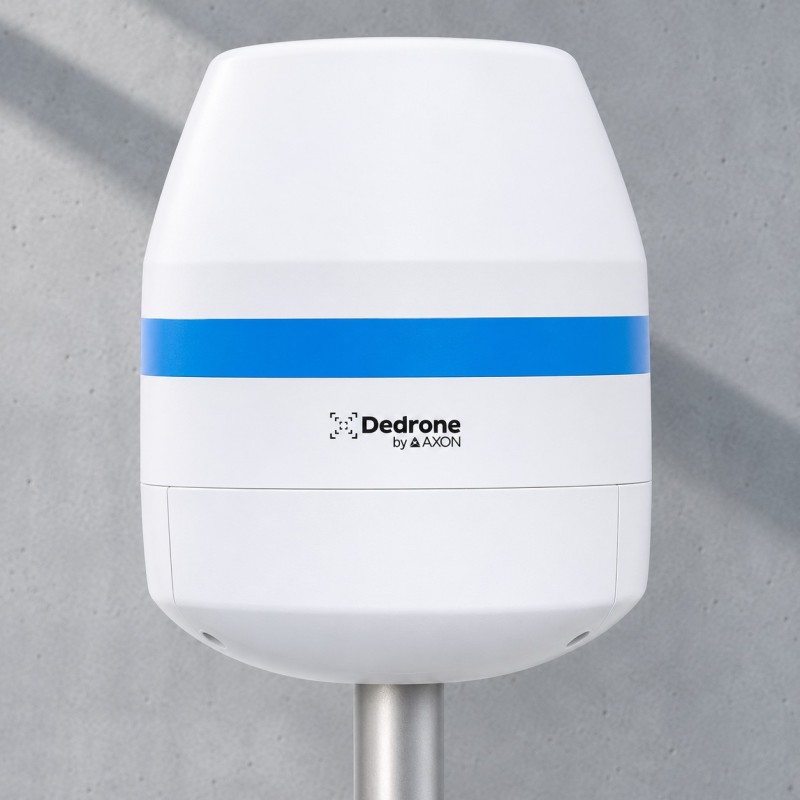
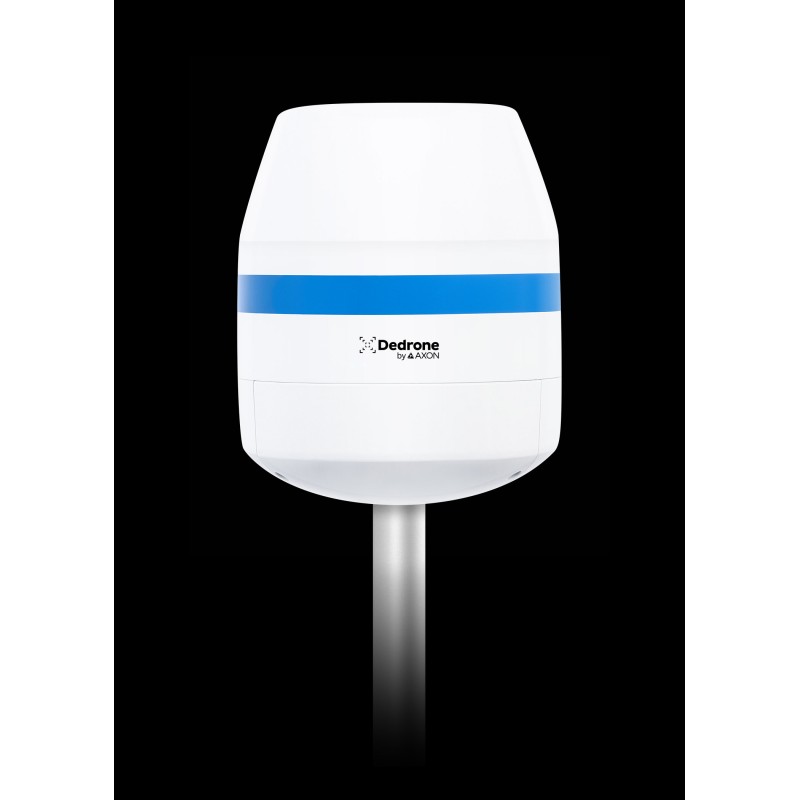
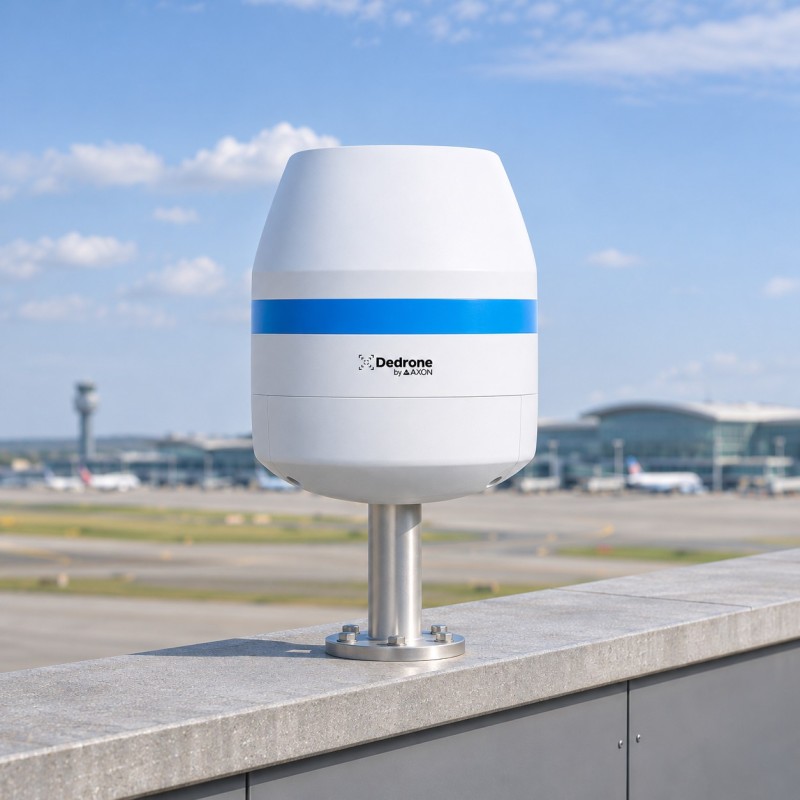
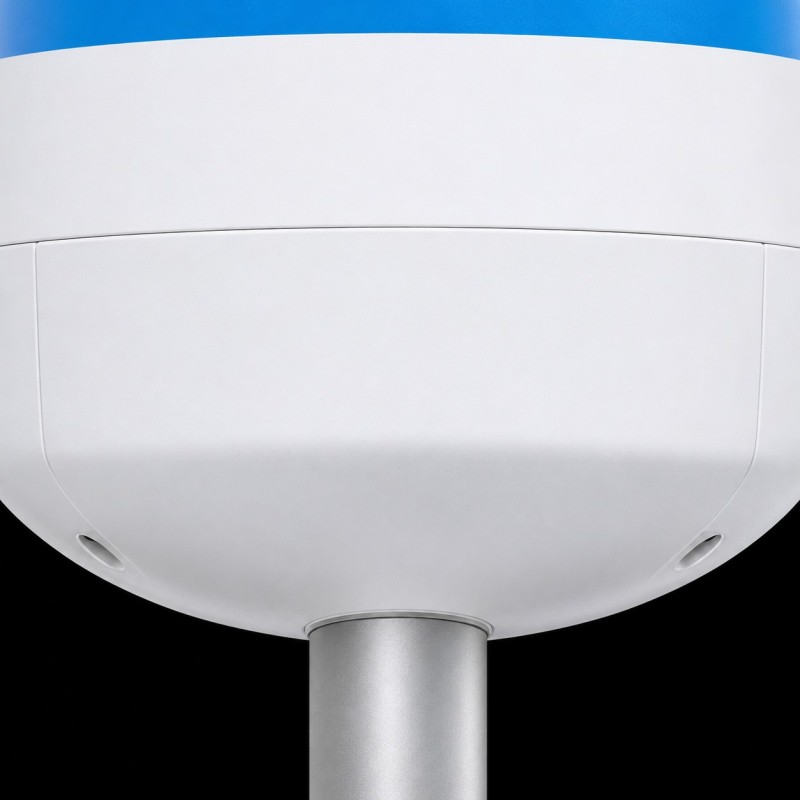
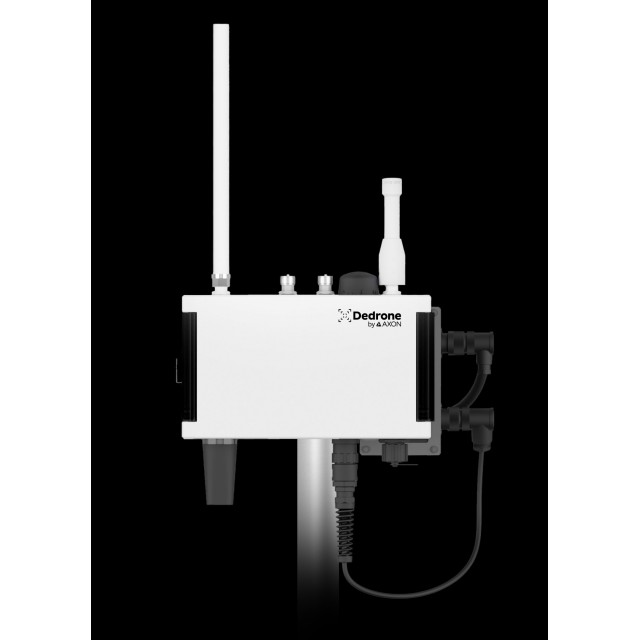
Dedrone RF-160 is a fixed, omnidirectional passive RF sensor engineered for rapid airspace risk assessment and early drone warning. It is widely deployed by enterprises, critical infrastructure operators, venues, and public safety teams that need fast perimeter visibility without complex site trenching.
Operating passively across 360°, the RF-160 monitors commercial, consumer, and selected DIY drone RF links and classifies detected aircraft against Dedrone’s signature library. Typical detection range is 1.6 km (1.0 mi) in standard environments and up to 5 km (3.1 mi) under ideal line-of-sight conditions.
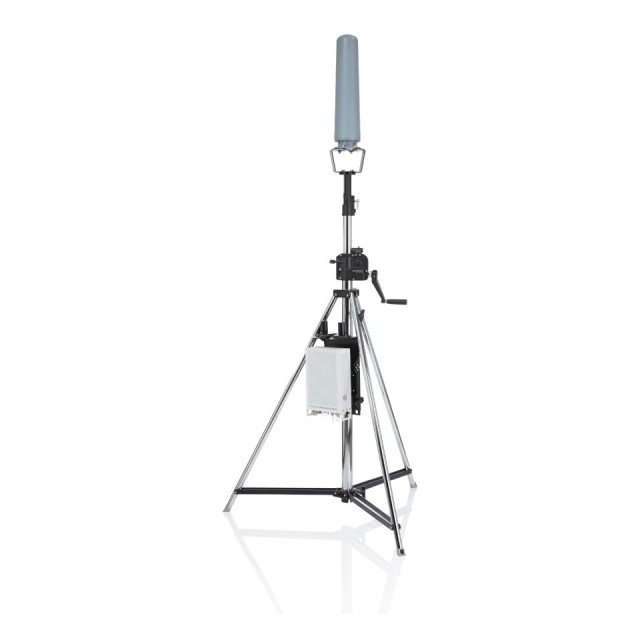
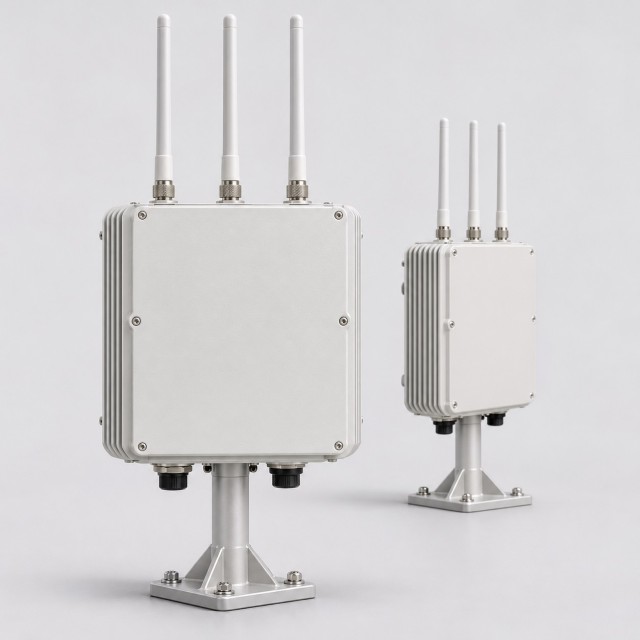
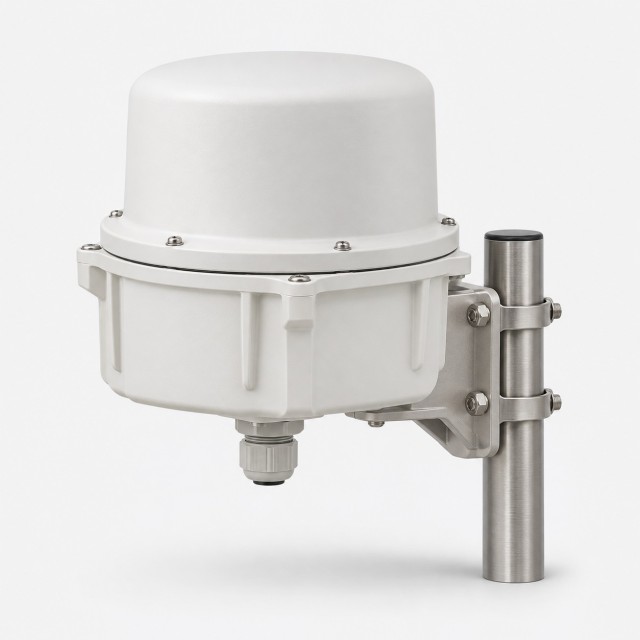
Housed in an IP65 weatherproof enclosure (300 × 300 × 405 mm, 6.8 kg), the unit is built for continuous rooftop or mast operation. It supports PoE IEEE 802.3bt (60 W) or AC 100–240 V power at a low 21 W typical draw, with integrated LTE and GPS for rapid cloud-connected deployment.
The RF-160 connects natively to DedroneTracker.AI (cloud or on-premises), delivering automated early warnings, flight frequency analytics, and incident logs. Sites can start with RF-160 for baseline threat assessment and later expand with direction-finding RF-360/RF-560 units or EO/IR cameras.
Unlike the RF-360 and RF-560, the RF-160 is a non-localization sensor: it confirms drone presence and classification within its coverage zone rather than computing Angle-of-Arrival bearings. As a passive RF sensor, it does not detect completely silent autonomous drones flying without active RF links and does not track crewed aircraft. We supply detection-only equipment and software for civil airspace awareness, without jamming or active counter-UAS mitigation.
No. RF-160 is designed for omnidirectional detection, classification, and early warning. For AoA direction finding and drone/controller geolocation, consider Dedrone RF-360 or RF-560.
Yes. With built-in LTE and GPS, it can be powered from AC 100–240 V and report directly to cloud-hosted DedroneTracker.AI.
No. It is 100% passive and produces zero RF interference with surrounding civil communications.
Drone Detectors (operated by AEROTRACE TECHNOLOGIES LTD, United Kingdom) is an independent online retailer of civil drone detection equipment and software — not an official distributor or authorised representative of the manufacturers. Pricing for this system is provided on request (RFQ): share your site layout and required configuration to receive a formal commercial quote. We deliver to the UK, EU and worldwide, with returns processed via our Warsaw warehouse. Technical data is sourced from the manufacturer; the order confirmation and official manufacturer datasheet are decisive.
To compare sensor families and plan site coverage, see our technical guides:
Official manufacturer documentation: