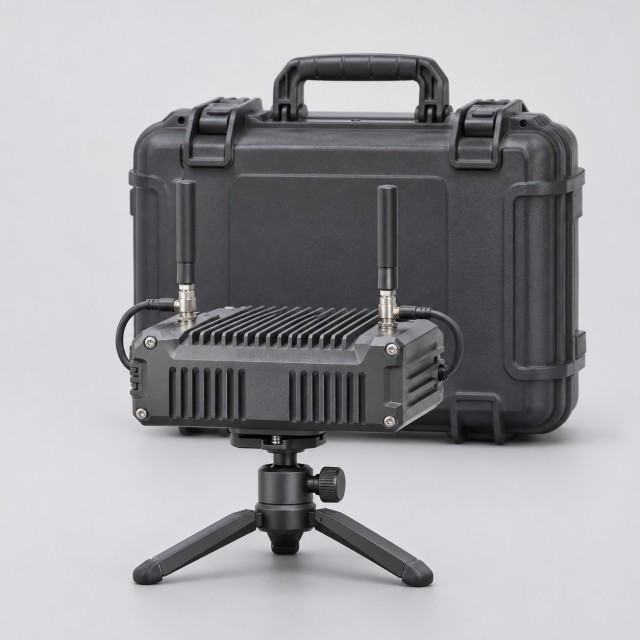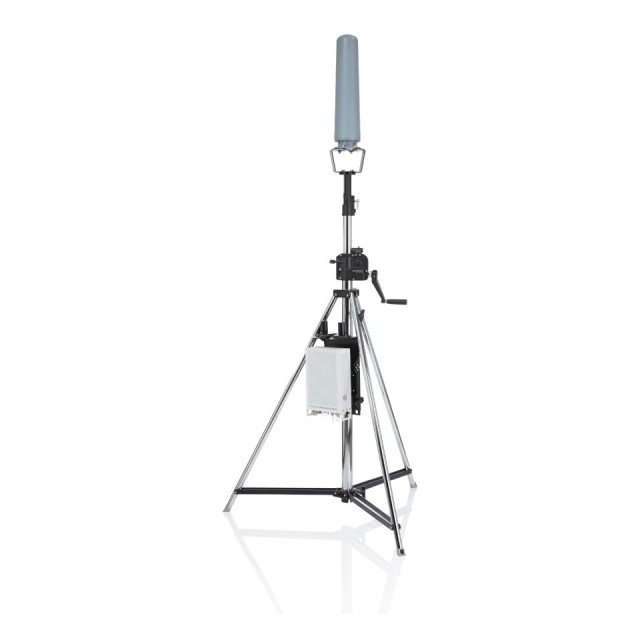
RF-160
Price on Request
 Drone detection hardware and software


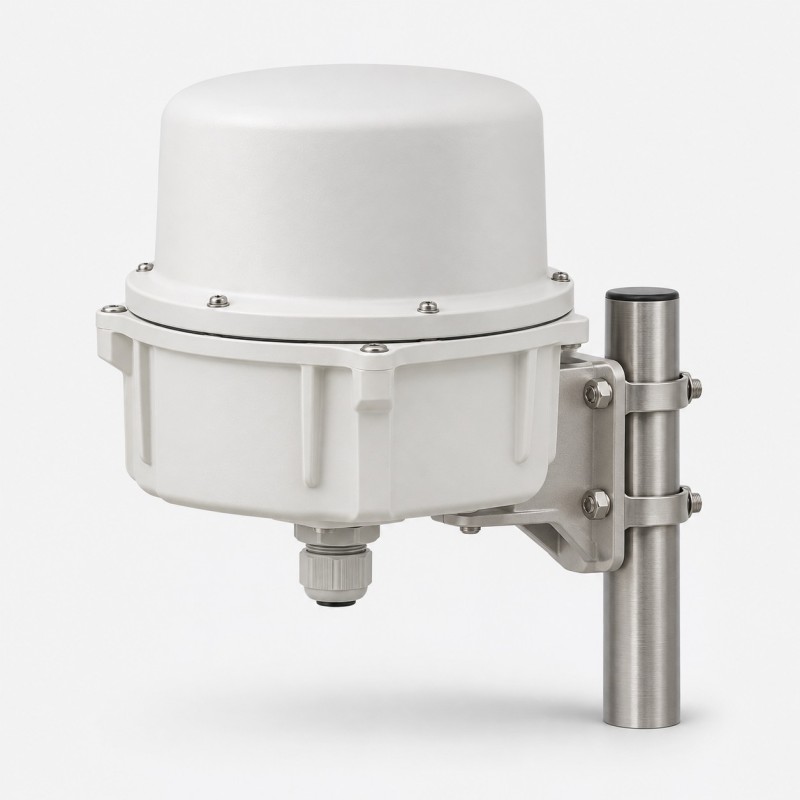
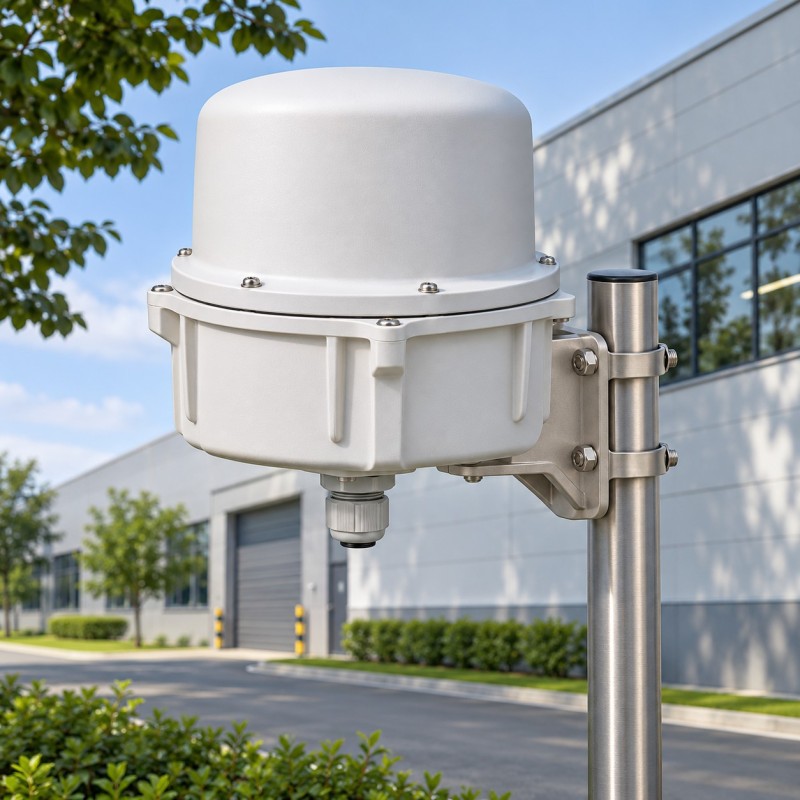
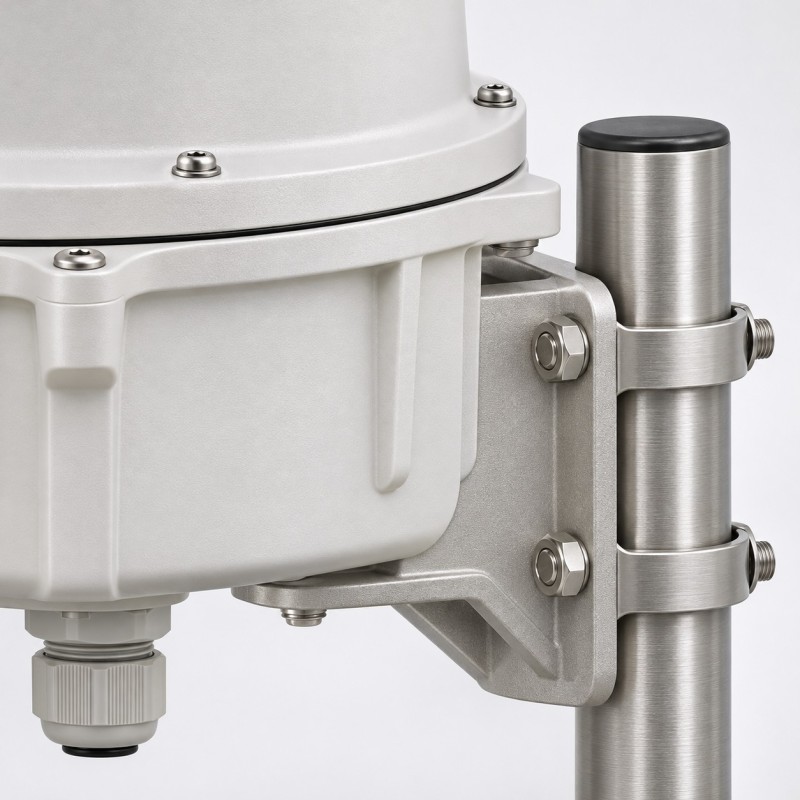
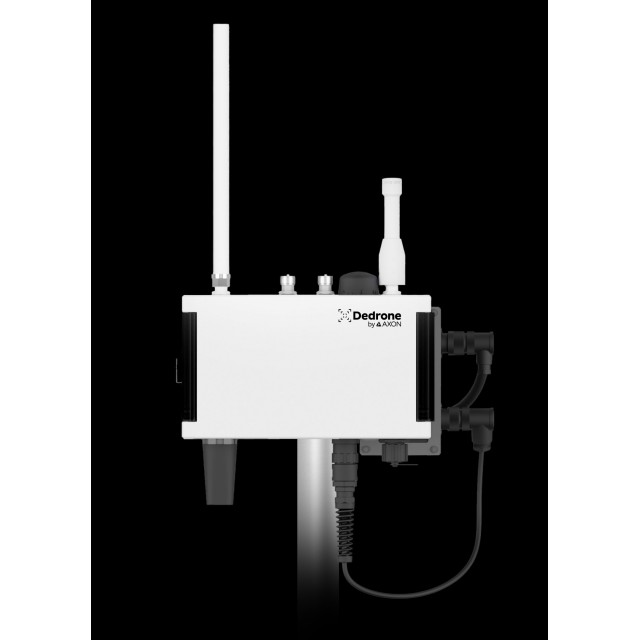
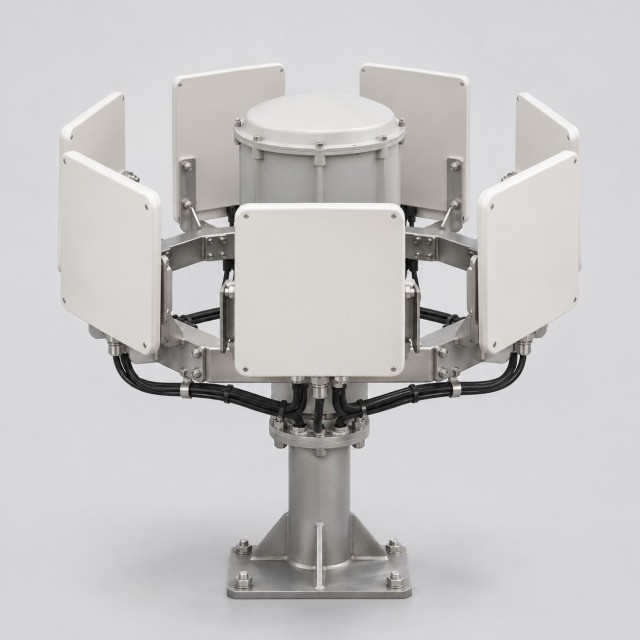
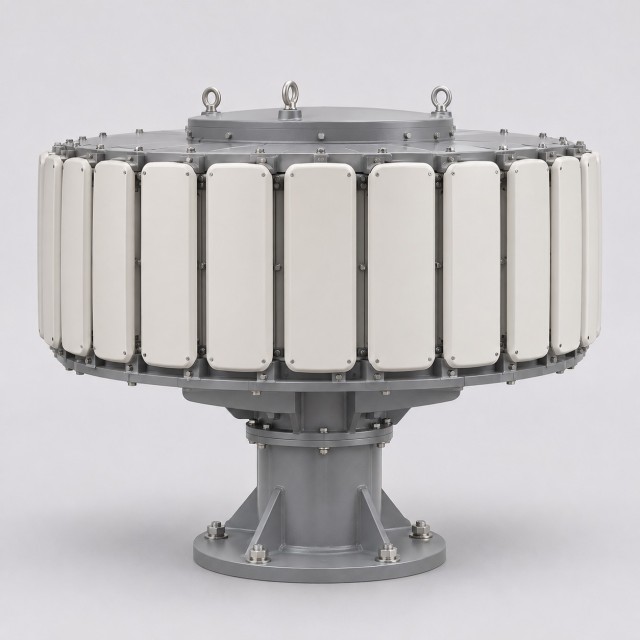
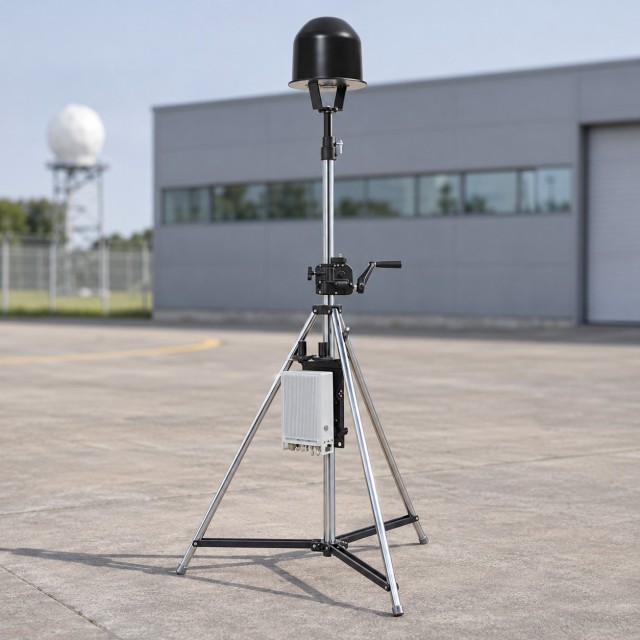
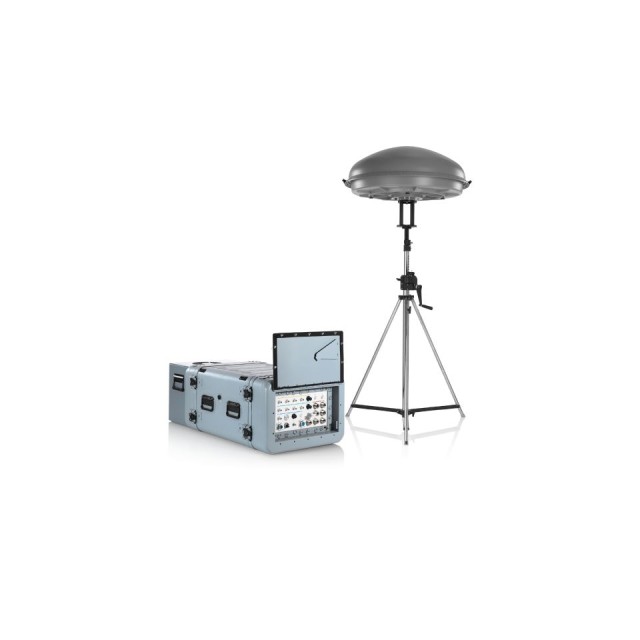
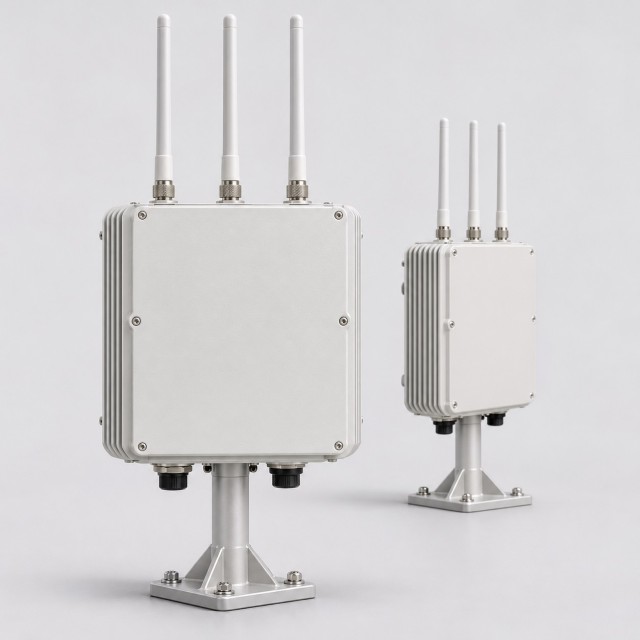
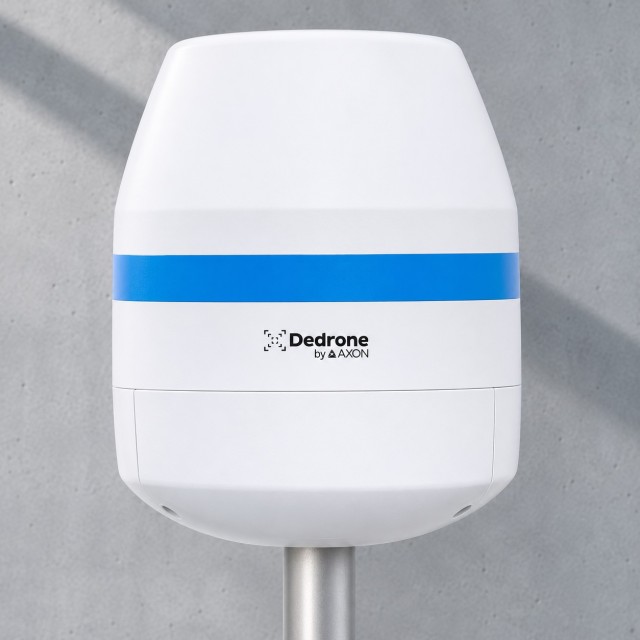
Dedrone RF-360 is a fixed, network-attached passive RF sensor with Angle-of-Arrival (AoA) direction finding that detects, classifies, and localizes both drones and their remote controllers. It is Dedrone’s core workhorse for airports, correctional facilities, data centers, utilities, and RF-congested urban sites.
Typical sites: Prisons
Covering 360° passively, the RF-360 delivers bearing lines to radio-emitting drones and pilots, and triangulates exact positions when deployed in multi-sensor arrays. Typical line-of-sight range is 2.0 km (1.25 mi), extending up to 5 km (3.1 mi) in ideal conditions.
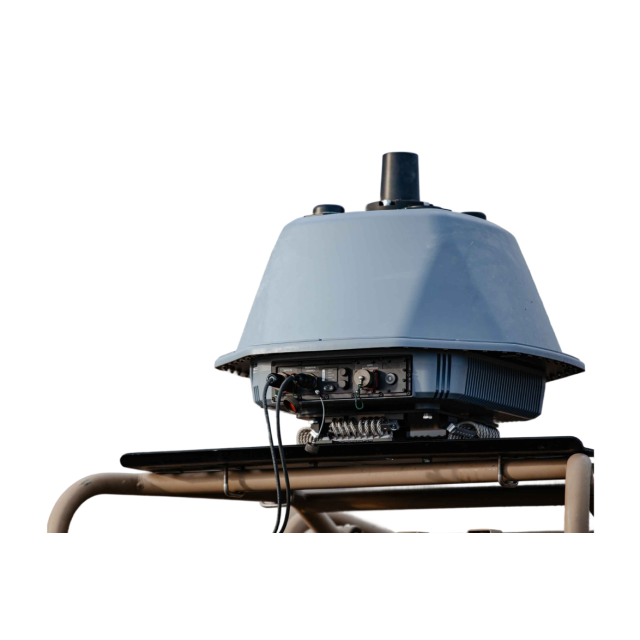
Built in a compact IP65 outdoor housing (300 × 300 × 405 mm, 7.0 kg), the RF-360 runs on PoE IEEE 802.3bt (60 W) or AC 100–240 V with 24 W typical power consumption, and supports Ethernet or integrated LTE and GPS connectivity.
RF-360 feeds directly into DedroneTracker.AI (cloud or on-premises), enabling multi-sensor fusion, automated risk prioritization, incident forensics, and automatic slew-to-cue for EO/IR verification cameras.
Bearing accuracy depends on mounting elevation and local multipath reflections; full non-cooperative geolocation typically requires overlapping coverage from two or more sensors. Passive RF sensing cannot detect completely autonomous, non-emitting drones. We supply detection-only equipment and software for civil airspace awareness, without jamming or active counter-UAS mitigation.
A single RF-360 provides 360° bearing lines and decoded telemetry where supported; two or more units triangulate non-decoded RF emitters across the site.
RF-360 adds AoA direction finding and longer typical range (2.0 km vs 1.6 km) in the same IP65 rooftop footprint.
Yes, DedroneTracker.AI uses RF-360 bearings to automatically slew compatible EO/IR cameras onto the target.
Drone Detectors (operated by AEROTRACE TECHNOLOGIES LTD, United Kingdom) is an independent online retailer of civil drone detection equipment and software — not an official distributor or authorised representative of the manufacturers. Pricing for this system is provided on request (RFQ): share your site layout and required configuration to receive a formal commercial quote. We deliver to the UK, EU and worldwide, with returns processed via our Warsaw warehouse. Technical data is sourced from the manufacturer; the order confirmation and official manufacturer datasheet are decisive.
To compare sensor families and plan site coverage, see our technical guides:
Official manufacturer documentation: